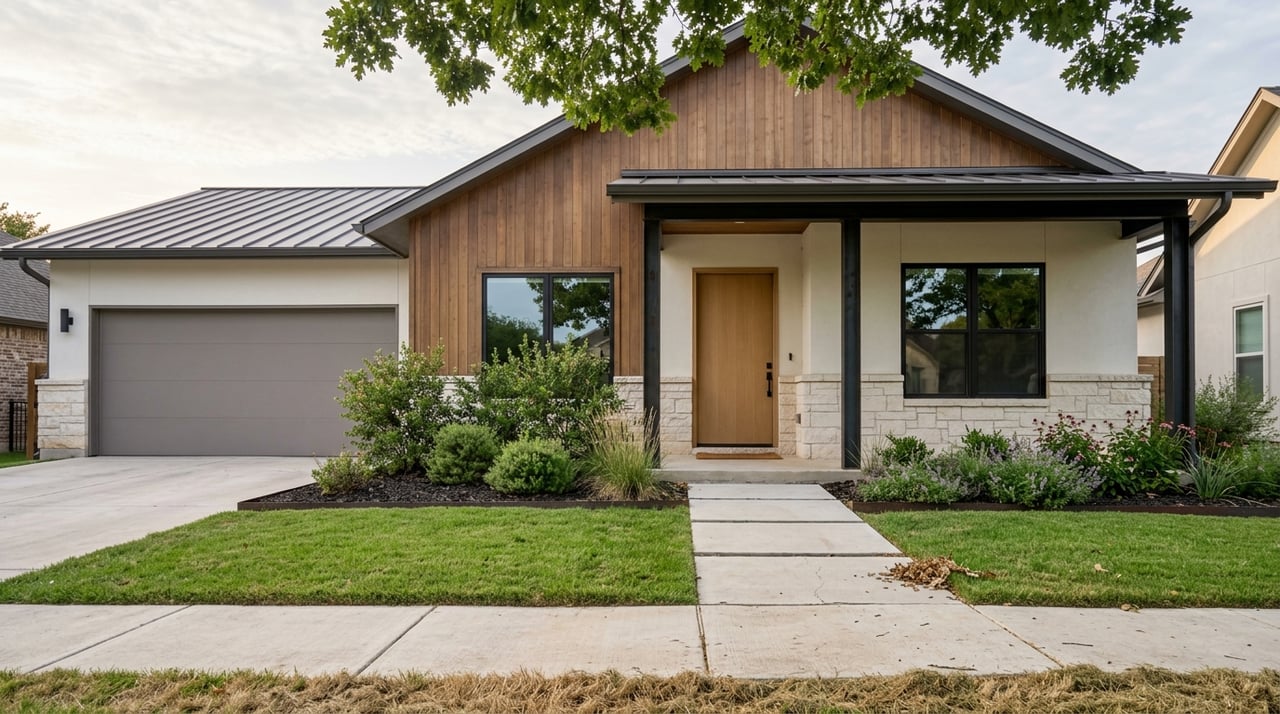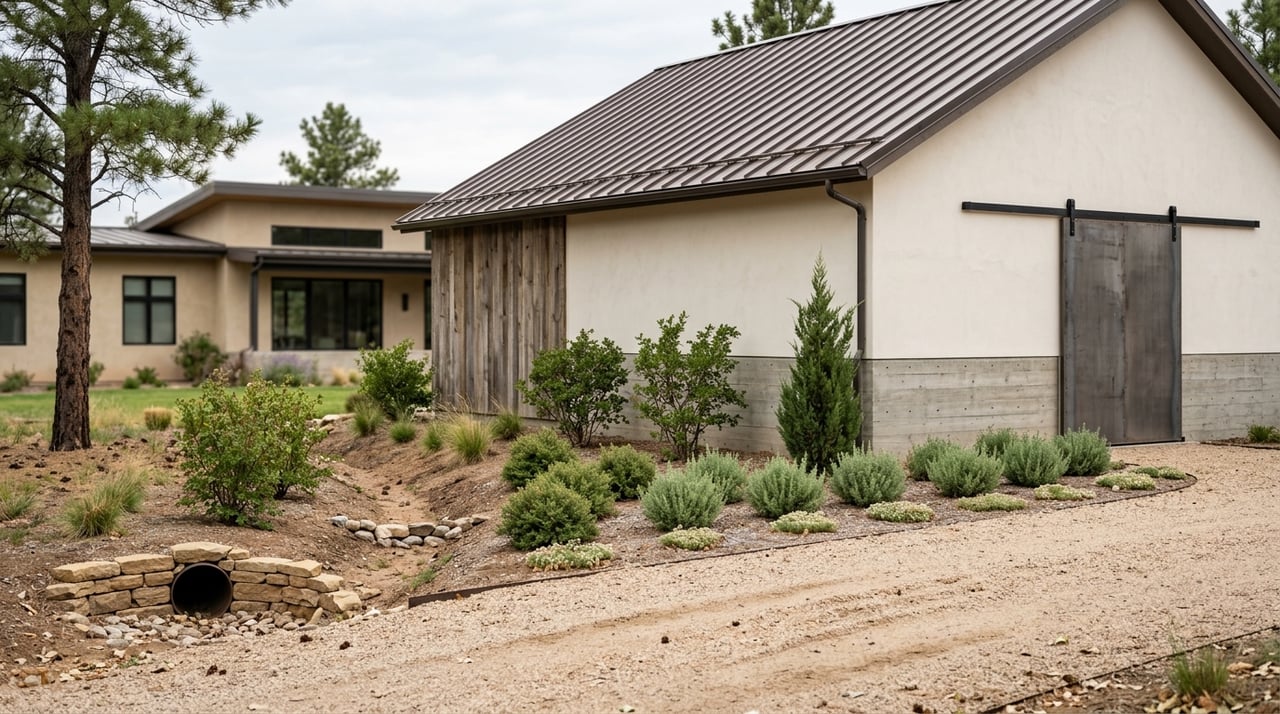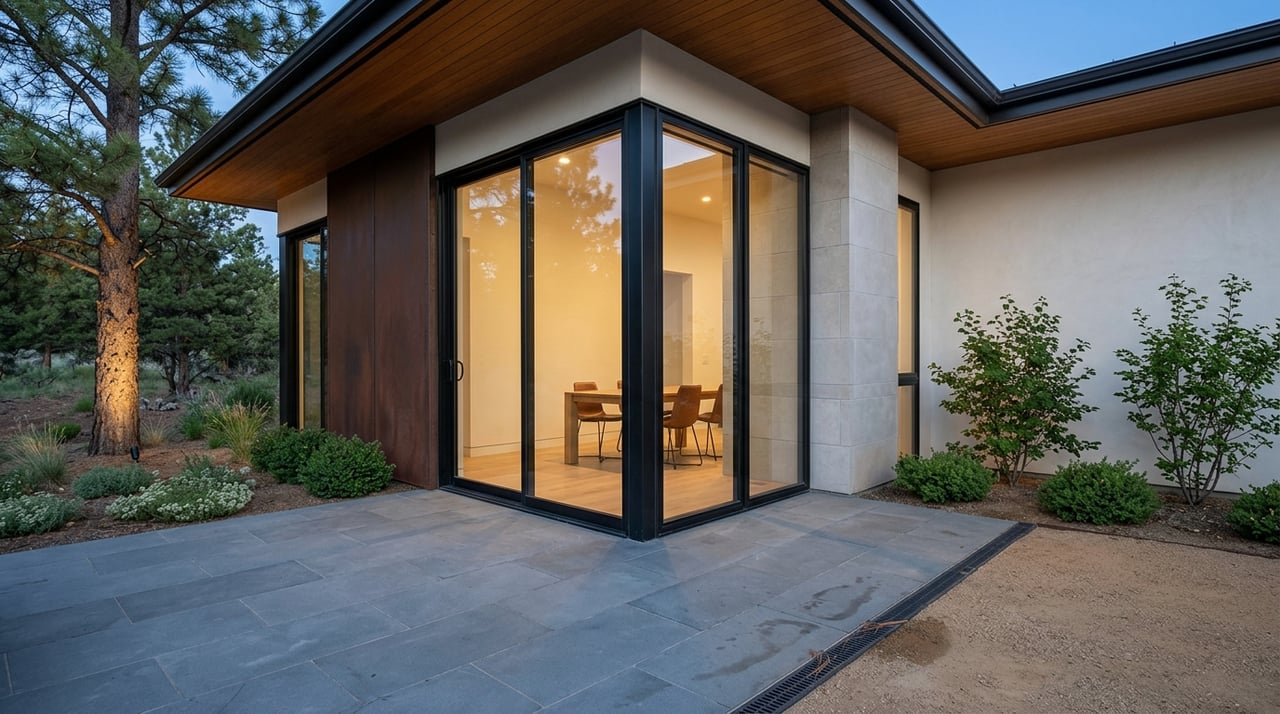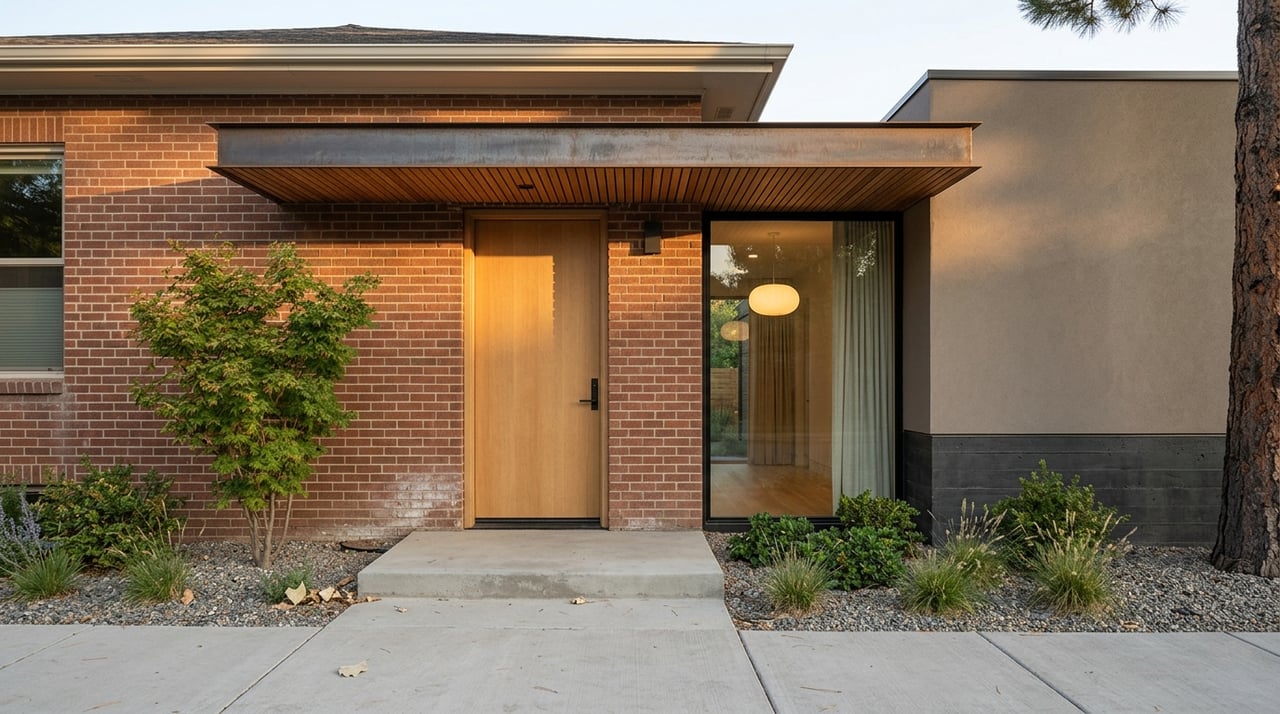
If you are deciding between an older home near Olde Town and a newer build elsewhere in Arvada, you are really choosing between two different ways of living. One offers preserved character, a walk-first setting, and more design oversight. The other leans toward contemporary homes, planned growth, and neighborhoods shaped around parks, trails, and future development. If you want clarity before you start touring homes in 80003 and greater Arvada, this guide will help you compare the tradeoffs. Let’s dive in.
How Arvada Shapes Growth
Arvada does not treat every part of the city the same. The city identifies Olde Town as its historic core, while newer development is guided through separate planning areas such as the New Town corridor and the Northwest Sub-Area.
That matters because your home search is not just about square footage or finishes. It is also about how the area around you is expected to change over time. Arvada’s active development map shows that growth is ongoing, not theoretical.
Olde Town’s Historic Appeal
If you are drawn to homes with age, architectural variety, and a more established setting, Olde Town and the nearby historic districts will likely stand out. This part of Arvada includes a mix of single-family homes, retail, office, and mixed-use buildings in a pedestrian-oriented environment.
For many buyers, that blend creates a strong sense of place. You are not just buying a house. You are buying into a district where the built environment has been intentionally preserved and managed.
What historic character looks like
The nearby historic neighborhoods add to that appeal. Reno Park is mostly single-family housing, with many structures dating to the 1800s. Stocke-Walter was platted in 1904 and 1920 and includes varied lot sizes, wood-framed homes, cottages, bungalows, and some late-19th-century Queen Anne detailing.
That kind of variety is hard to replicate in newer subdivisions. If you value less standardized lots and homes with distinct architectural details, these older areas may feel more compelling than a newer build.
What design rules mean for buyers
Historic appeal often comes with more oversight. In Olde Town and OT zoning areas, exterior changes or redevelopment often require a Certificate of Compliance, and many requests are reviewed for compatibility with local design guidelines.
For you, that means future exterior changes may involve more review than they would in areas without similar historic-design controls. Some buyers see that as a benefit because it helps protect the district’s visual character. Others may prefer the flexibility often found outside the historic core.
Why New Construction Appeals
Newer Arvada neighborhoods offer a different value. Instead of preservation rules shaping the area, growth is guided by city sub-area plans that support ongoing development in newer parts of the city.
The Northwest Sub-Area Plan, approved in June 2023, guides development in northwest Arvada. The New Town plan does the same for the commercial corridor along Wadsworth Boulevard and Bypass between the G Line tracks and Interstate 70.
How planned growth changes the feel
In practical terms, these plans point to a newer-construction environment that is expected to evolve through planned development. That creates a different experience from buying in a historic district, where the emphasis is more on compatibility and preservation.
If you want a home in an area still taking shape, newer Arvada may offer more of what you are looking for. You may find that the appeal is less about historic texture and more about a cleaner slate, newer housing stock, and a neighborhood framework built with current growth patterns in mind.
Arvada Ridge as a newer-home example
Arvada Ridge Station offers a useful example of this newer-home lifestyle. The city describes the area as an easy walk to Red Rocks Community College, with pedestrian and bicycle access improved by a new underpass at Kipling Parkway. The area is also surrounded by single-family and multi-family housing and connected to a new park that will include inclined trails.
This gives you a sense of what newer Arvada can look like. Rather than centering life around a historic main street, these areas often connect housing with mobility improvements, parks, and trail access.
Daily Life: Walkability Or Open Space
One of the clearest differences between historic Arvada and newer Arvada shows up in your routine. Olde Town supports a walk-first lifestyle, with locally owned shops, restaurants, bars, mixed uses, and G Line access all shaping day-to-day convenience.
The city is even evaluating whether recent street closures that created a more comfortable pedestrian experience should remain in place. That tells you just how central walkability is to the Olde Town experience.
Where transit access stands out
The G Line stops at Arvada Ridge Station, Gold Strike Station, and Olde Town Hub/Plaza. For buyers who value rail access, Olde Town and Arvada Ridge stand out most clearly in the city’s transit network.
If your routine includes commuting, regional access, or the ability to get around without relying entirely on a car, those station areas may deserve extra attention during your search.
How trails shape newer neighborhoods
Newer neighborhoods in Arvada often emphasize trails and open space. The Barbara Gulch Trail currently ends at the west edge of the Leyden Rock subdivision and is planned to extend farther west. The Discovery Trail in Lake Arbor runs through a paved neighborhood corridor.
That kind of planning can support a very different rhythm of life. If your idea of convenience includes nearby trails, open-air recreation, and neighborhoods designed with mobility connections in mind, newer areas may feel like a better fit.
Key Tradeoffs To Weigh
No option is automatically better. The right choice depends on what you want your home and neighborhood to do for you.
Here is a simple way to compare the two paths:
| Feature | Historic Arvada | Newer Arvada |
|---|---|---|
| Setting | Preserved historic core | Planned growth areas |
| Home character | Older homes with architectural variety | Contemporary homes and newer housing stock |
| Exterior changes | More regulated in some areas | Generally shaped by newer development frameworks |
| Daily lifestyle | Walk-first, mixed-use environment | Trails, parks, and open-space connections |
| Change over time | Focus on compatibility and preservation | Ongoing planned development |
| Transit highlights | Strong around Olde Town | Strong around Arvada Ridge |
Which Arvada Style Fits You?
If you picture yourself walking to shops and restaurants, enjoying older architecture, and living in a district where preserved character matters, the historic side of Arvada may be the better match. You may give up some flexibility on exterior changes, but you gain a setting with visual continuity and long-established charm.
If you prefer contemporary construction, newer neighborhood planning, and a lifestyle tied more closely to parks and trails, newer Arvada may make more sense. You may trade some immediate downtown convenience for a home environment built around newer infrastructure and future growth.
For buyers in Jefferson County, this is often the real decision point. Do you want preserved character, or do you want a newer-construction environment with room to evolve?
A thoughtful home search starts with that question. If you want guidance comparing established neighborhoods, newer development areas, and custom-home opportunities across Jefferson County, Josh Jackson can help you evaluate the lifestyle, planning context, and long-term fit behind each option.
FAQs
Is Olde Town Arvada better for walkability than newer neighborhoods?
- Olde Town is the city’s pedestrian-oriented historic core, with shops, restaurants, mixed uses, and G Line access supporting a walk-first lifestyle.
Do historic homes in Olde Town Arvada have stricter exterior rules?
- Yes. Exterior changes or redevelopment in Olde Town and OT zoning areas often require a Certificate of Compliance, and many requests are reviewed for compatibility with design guidelines.
Where is new development planned in Arvada?
- The city guides newer development through areas such as the Northwest Sub-Area and the New Town corridor along Wadsworth Boulevard and Bypass between the G Line tracks and Interstate 70.
Does newer Arvada offer good trail access?
- Many newer areas are tied to trails and open-space connections, including examples like the Barbara Gulch Trail near Leyden Rock and the Discovery Trail in Lake Arbor.
Which Arvada areas have G Line access?
- The city says the G Line stops at Arvada Ridge Station, Gold Strike Station, and Olde Town Hub/Plaza.
Should I choose a historic home or new construction in Arvada?
- If you value preserved character, architectural variety, and walkability, a historic area may fit better. If you prioritize contemporary homes, planned growth, and trail-oriented neighborhoods, newer Arvada may be the stronger match.