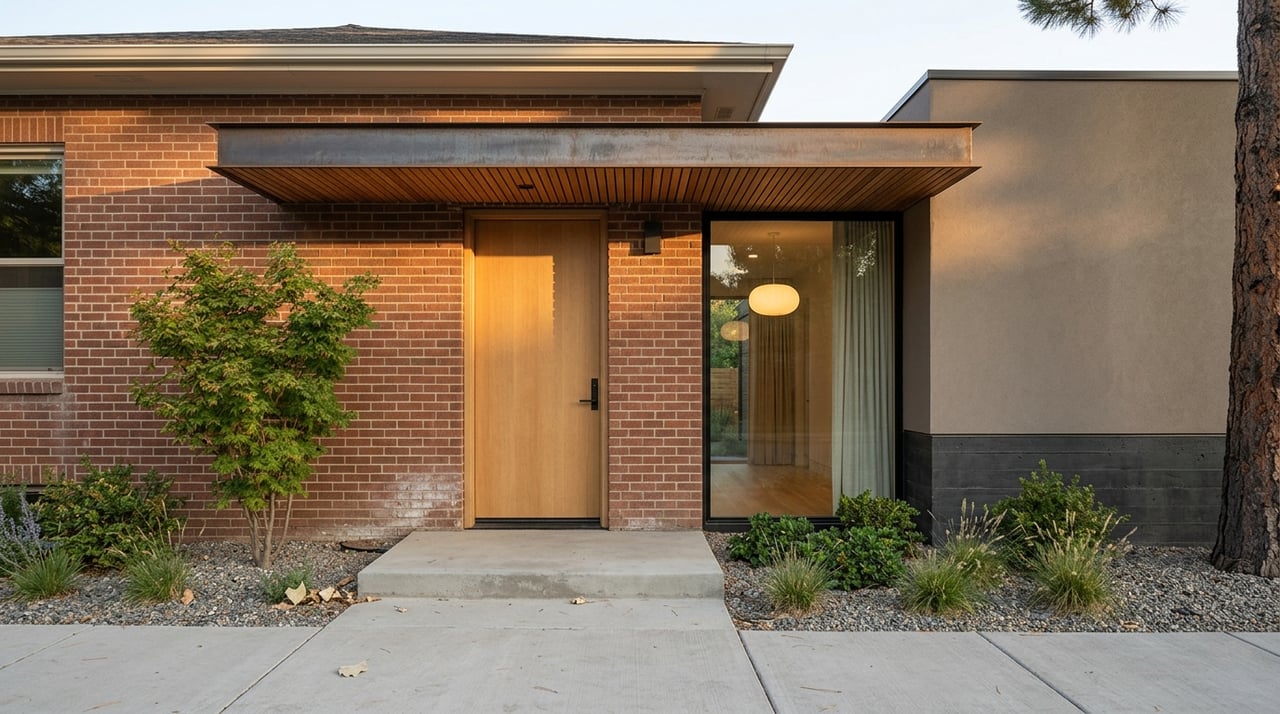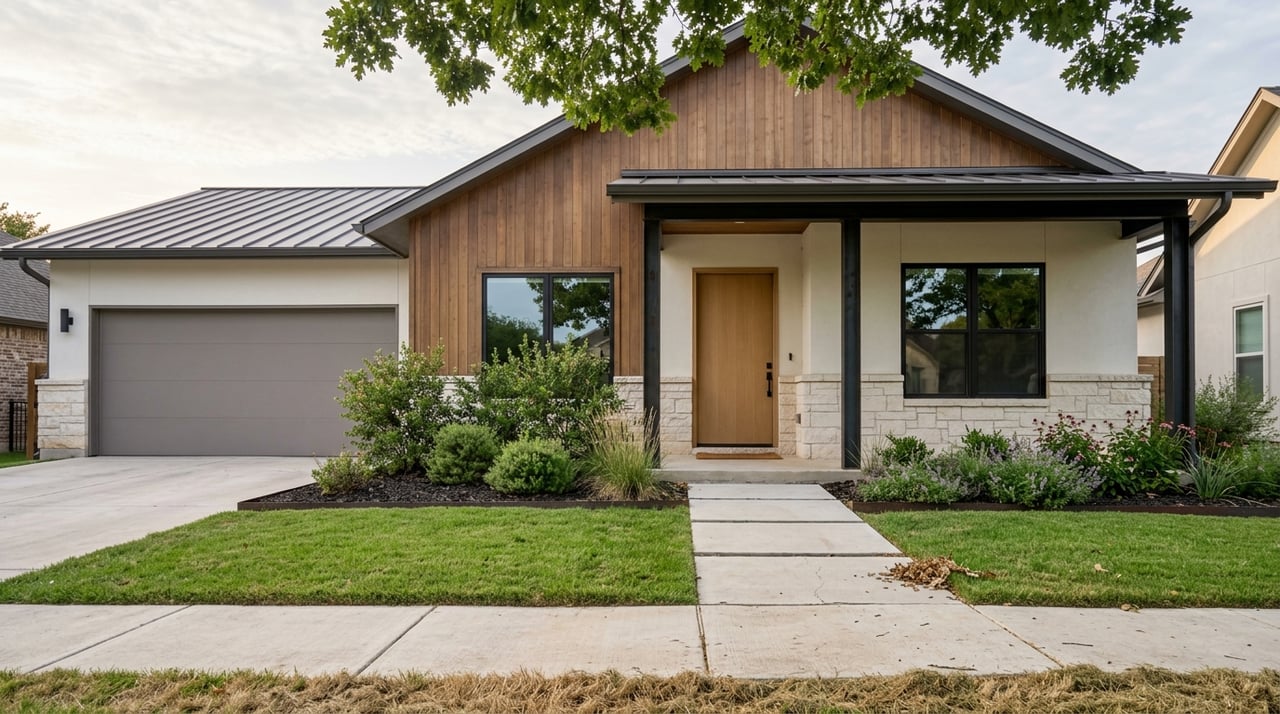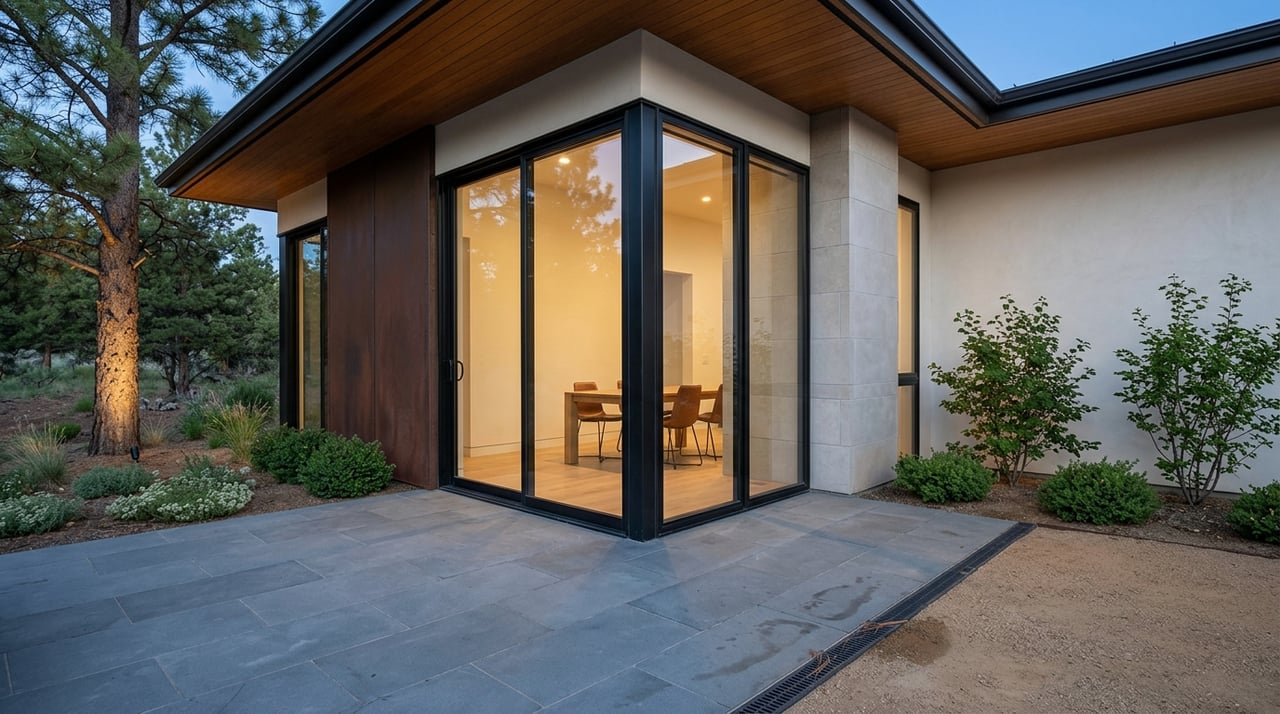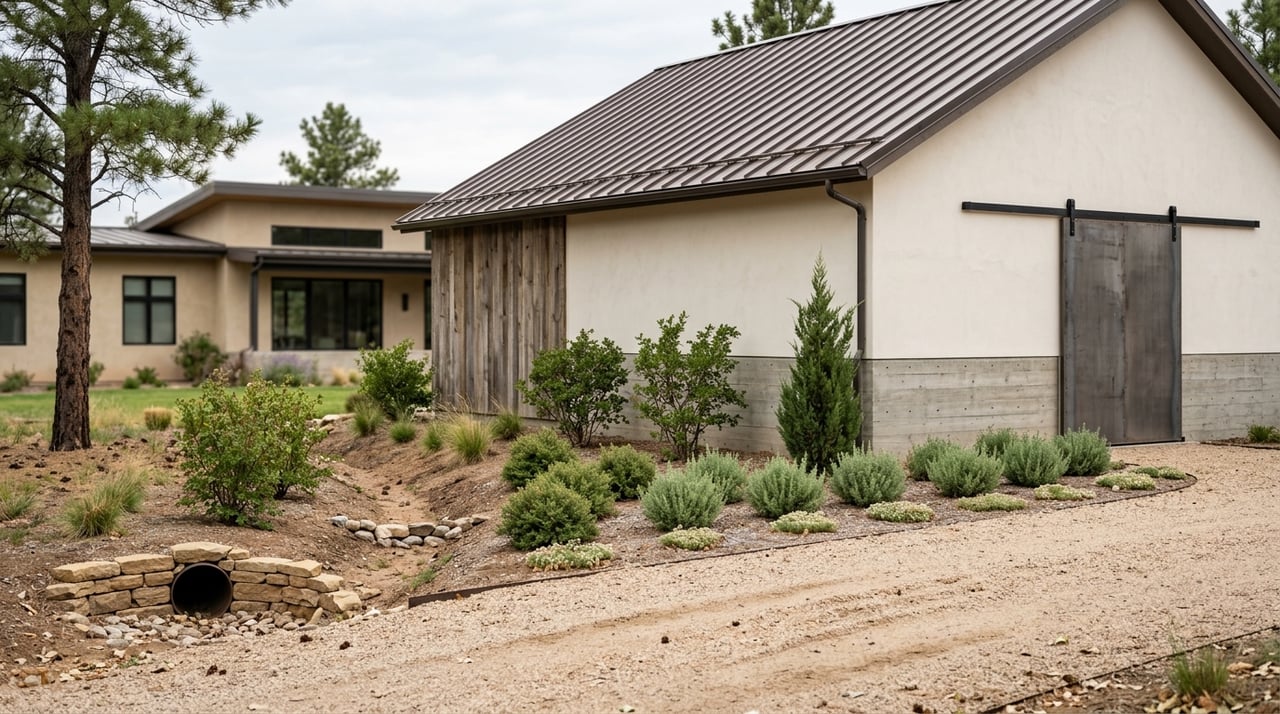
A rural estate purchase near Hygiene can feel like freedom on a larger canvas. You may see open land, mountain views, and room to build something lasting, but the real value often comes down to what the parcel can legally and practically support over time. If you want more clarity before you commit, this guide will walk you through the county rules, site constraints, and rural property realities that matter most around Hygiene. Let’s dive in.
Start With Jurisdiction and Zoning
Hygiene is an unincorporated community in Boulder County, which means county rules govern land use rather than a city or town council. That matters right away because the Boulder County Land Use Code applies to unincorporated areas only. Before you assume a parcel can support your plans, you need to confirm both the jurisdiction and the exact zoning.
Boulder County says much of the plains land in unincorporated areas is zoned Agricultural, but zoning is always parcel-specific. That means two nearby properties may not have the same permissions or development path. A rural estate buyer should treat zoning as the first filter, not a box to check later.
Why lot size is only part of the story
A large parcel may still have a limited usable building area. In Boulder County, the actual building envelope can be shaped by setbacks, road right-of-way, ditch setbacks, easements, and conservation-easement terms. If you are buying with a custom-home vision in mind, these details can affect home placement, driveway design, accessory structures, and outdoor living areas.
This is especially important if you are comparing estate parcels based on acreage alone. A property can look expansive on paper but have a more defined area where improvements can actually go. On rural land, the layout matters just as much as the size.
Future split potential needs verification
If you are thinking long term, you may wonder whether a parcel could ever be divided. Boulder County notes that parcels under 35 acres are generally difficult to create without a formal subdivision process, while parcels of 35 acres and larger can sometimes be divided from larger tracts by deed. That does not mean every large parcel can be split, but it does make future division potential a key due-diligence item.
For buyers planning a legacy property, this question can shape how you evaluate value and flexibility. It is worth reviewing early rather than assuming acreage alone creates options.
Access Can Make or Break a Rural Property
On rural estate land, access is not just about getting to the home. It is also about legal rights, construction feasibility, weather response, and ongoing maintenance. Around Hygiene, access deserves the same level of scrutiny as the house site itself.
Boulder County requires an Access Permit to construct any driveway that provides vehicle access to or from a county right-of-way. The county also regulates private access improvements such as driveways, bridges, and culverts. If a property depends on an easement or a private route, you should confirm that legal access is clearly documented.
Roads, bridges, and crossings
Some rural parcels come with added complexity because of ditches, streams, bridges, or culverts. If access crosses one of those features, Boulder County has separate bridge-construction permit requirements and technical guidance. That can affect both budget and timeline.
This is one of those issues that may not be obvious during a first showing. A scenic driveway approach can also come with engineering and permitting considerations that deserve a closer look.
Road maintenance may differ from in-town expectations
Rural roads do not always perform like city streets. Boulder County says grading is weather- and traffic-dependent, and lower-traffic roads may be graded every 3 to 4 weeks as conditions allow. The county also says it cannot perform major repairs on subdivision roads, which it treats as local access roadways.
For you, that can mean different expectations for dust, washboarding, snow response, and maintenance responsibility. If daily access is a priority, road conditions and maintenance structure should be part of your property review.
Check Water and Septic Before You Get Attached
A beautiful parcel can lose a lot of appeal if the well or septic situation does not match your plans. Around Hygiene, private water and onsite wastewater systems are central to how a property functions. These are not background details. They are core pieces of rural due diligence.
Boulder County says private well water is not regulated, treated, or monitored by public health officials. The Colorado Division of Water Resources issues well permits and keeps records showing the allowable uses of a well. That means the permit history and permitted use matter, especially if you are considering changes to the property over time.
Well records affect how you can use the property
When you buy rural land, you should not assume every well supports the same uses. A well permit may define what the water can be used for, and that can shape your plans for the home and land. For a buyer with a design-forward estate vision, this is one more reason to confirm the details before moving too far into planning.
For new single-family construction, Boulder County asks for proof of water supply and sanitation during the permit process. That can include an approved well permit or sewer or septic approval.
Septic capacity matters more than many buyers expect
On the septic side, Boulder County requires an adequately operating and approved OWTS for the accurate number of bedrooms or daily flow at closing, unless there is a written repair agreement. The county also notes that septic records can be checked online and that property-transfer certificates are typically processed within about 10 business days.
This matters because septic design can affect how a home is used, not just how it is described. Boulder County notes that for homes with an OWTS, septic records help determine how many occupants the dwelling can support. In practical terms, bedroom count and septic capacity need to align.
Outbuilding changes can trigger review
If you plan to change how an existing outbuilding is used, wastewater rules can come into play. Boulder County specifically notes that adding a convenience bathroom to a studio, garage, or barn can trigger OWTS review under its Change in Use policy. That is important if you are envisioning a workshop, detached office, or expanded ranch structure.
On estate property, even small changes in use can have ripple effects. It is smart to review these issues before finalizing your design goals.
Know the Rules for Outbuildings and Rural Uses
One reason buyers are drawn to rural estate property is flexibility. You may want room for barns, storage, a studio, a home office, or limited livestock use. Around Hygiene, many of these uses may be possible, but they are not automatic.
Boulder County’s land-use table includes uses such as accessory agricultural structures, beekeeping, chicken keeping, horse keeping, backyard composting, outside storage, home occupation, accessory solar energy systems, and small wind systems in many districts. The exact allowance depends on zoning and whether a higher-level review or special condition applies.
Do not assume a guest house is allowed
A common mistake on large parcels is assuming a detached guest house is permitted. Boulder County says accessory dwellings are allowed only in limited circumstances. A separate living unit is not something you should take for granted simply because the lot is large.
If multigenerational living or guest accommodations are part of your plan, this question should be clarified early. On rural land, size and flexibility do not always mean the same thing.
Permits may apply to more than you expect
Detached accessory structures over 120 square feet generally require a building permit in Boulder County. Fences over 6 feet high also require a permit. If your plans include a structured entry, privacy fencing, barn, workshop, or detached studio, these thresholds matter.
The county also makes an important distinction about floor area. Garages, studios, pool houses, home offices, and workshops can count toward residential floor area, while barns used for agricultural purposes do not. That distinction can affect how you plan supporting structures on an estate property.
Livestock and home occupations have limits
Boulder County says Rural Residential, Estate Residential, Suburban Residential, and Multi-Family districts may allow up to four weaned animals, though an animal unit varies by species. The county gives examples such as one horse equaling one animal unit and 50 chickens equaling one animal unit. It also notes that subdivision covenants can be stricter than county zoning.
Home occupations are also allowed with limits. Boulder County says the use must remain subordinate to the dwelling, outside storage is prohibited, business area is limited to no more than half the dwelling’s floor area, and the business may include residents plus one employee. If you plan to work from your property, these rules are worth understanding upfront.
Design Rules Shape the Estate Vision
For many buyers, the appeal of rural land is the chance to create a one-of-a-kind home. Around Hygiene, that vision needs to fit county design and safety rules from the start. BuildSmart, wildfire mitigation, and lighting regulations all play a role.
Boulder County says BuildSmart applies to all new residential construction and additions in unincorporated areas. It also states that Zero Net Energy is currently required for new homes above 5,000 square feet of conditioned floor area. For larger estate homes, energy performance is not just a preference. It is part of the code framework.
Wildfire review is part of planning
Boulder County says wildfire mitigation applies to all new buildings, additions, alterations, and repairs in unincorporated areas, with different rules for western and eastern county zones. The code focuses on ignition-resistant materials, defensible space or noncombustible perimeter requirements, and in some cases emergency water supply or firefighting cistern coordination.
The county also emphasizes that the conditions within 100 feet of a structure often matter most for wildfire survivability. That means landscaping, hardscape, and exterior materials are part of the planning conversation, not just the architecture itself.
Outdoor lighting is regulated too
Estate buyers often think about driveway lighting, exterior uplighting, and landscape fixtures early in the design process. Boulder County regulates outdoor lighting and says fixtures must be fully shielded and downlit, cannot blink or flash, and must be approved before a building permit is issued.
That may sound like a small detail, but it can shape the look and feel of the finished property. On rural land, design freedom often works best when paired with a clear understanding of these technical standards.
A Smart Buying Approach Near Hygiene
When you buy rural estate property around Hygiene, you are not just buying what exists today. You are buying a set of permissions, constraints, and future possibilities tied to the land. The strongest purchases usually come from clear answers about zoning, legal access, road realities, well and septic capacity, outbuilding rules, and design requirements.
That process may feel more complex than buying in town, but it can also give you a clearer picture of what the property can become. If you want guidance that respects both the landscape and the details, connecting with an advisor who understands estate land, build planning, and long-range property value can make all the difference. To start the conversation, reach out to Josh Jackson.
FAQs
What should you verify before buying rural property near Hygiene?
- You should confirm jurisdiction, exact zoning, legal access, road conditions, well permit records, septic approval and capacity, and any easements or setback constraints that affect the buildable area.
How does zoning affect rural estate property around Hygiene?
- Zoning affects what uses may be allowed on the parcel, what structures may be built, and how setbacks, easements, and other county rules shape the actual building envelope.
Can you build a guest house on a large parcel in Boulder County?
- You should not assume that you can, because Boulder County says accessory dwellings are allowed only in limited circumstances.
Why does septic capacity matter when buying a Hygiene-area home?
- Septic capacity matters because Boulder County ties OWTS approval to the accurate number of bedrooms or daily flow, and septic records may help determine how many occupants a dwelling can support.
What road issues should buyers consider on rural property near Hygiene?
- You should review whether access is public or private, whether recorded easements exist, whether bridges or culverts are involved, and how road grading and maintenance are handled.
Do large custom homes in unincorporated Boulder County face special energy rules?
- Yes. Boulder County says BuildSmart applies to new residential construction and additions, and Zero Net Energy is currently required for new homes above 5,000 square feet of conditioned floor area.