You want a place your family can gather for decades, with privacy, views, and room to create. If you are drawn to the foothills between Golden and Boulder, you are not alone. The land is rare, the views are permanent in many directions, and the build process is different than in town. In this guide, you will learn how to plan a true legacy estate near Highway 93, what approvals and site realities to expect, and how Hogan Ranch–style parcels illustrate the tradeoffs and rewards. Let’s dive in.
Why Golden–Boulder works
Large-acreage parcels west of Golden place you between two vibrant towns. It is roughly 20 miles and about 30 minutes by car between downtown Golden and downtown Boulder, depending on start point and traffic. You get access to dining, trail networks, and services while keeping space, quiet, and stars at night.
Hogan Ranch is a current example of this lifestyle. The offering presents three individual homesites of about 35 acres each with shared private access off Highway 93. The marketing emphasizes big buildable envelopes, long views, and limits that protect the landscape for the long term. You accept certain recorded rules in exchange for lasting privacy and view protection.
Start with jurisdiction and zoning
Your first question is simple: which government has authority over the parcel? Many large tracts in the Highway 93 corridor sit in unincorporated Jefferson County. Jurisdiction drives everything from use permissions to road access and wildfire requirements. Use the county’s Zoning Resolution and mapping tools to confirm the zoning district and any overlays before you assume what you can build. Review the county’s standards directly in the Jefferson County Zoning Resolution.
Buildable envelopes and covenants
On big, scenic parcels, a recorded plat or covenants often identify a “buildable envelope.” That is the defined area where you must place the primary residence and any allowed accessory structures. It protects views, habitat, drainage, and shared open-space intent.
Hogan Ranch marketing describes multi‑acre envelopes for each lot and private covenants that limit accessory square footage and roof height. For example, materials for the offering note one single‑family residence, up to two accessory structures with a combined cap, and a maximum roof height of 30 feet, with any accessory dwelling allowed only within the primary home. You should confirm the exact allowances, the envelope location and size, and any easements by reviewing the recorded plat and CC&Rs. Pull them through the Jefferson County Clerk & Recorder’s system when you go under contract. You can start by referencing the current marketing overview on Hogan Ranch and the parcel flyer for Lot B on Crexi, then verify all details in the recorded documents.
Accessory uses and ADUs
Accessory buildings and accessory dwelling units (ADUs) come with specific limits in Jefferson County. Size, placement, and whether a detached ADU is allowed depend on zoning, lot size, and utilities. If your vision includes guest quarters, a caretaker suite, a studio, or equestrian structures, read both the county’s rules and the recorded covenants for the parcel. Start with the county’s overview on new homes and accessory dwellings. If a parcel relies on a well and septic, your permits must also support the number of dwellings you plan.
Height limits and design intent
Most foothills jurisdictions cap residential heights in the 30 to 35‑foot range. Subdivisions or individual plats may record lower caps to protect views. Hogan Ranch marketing points to a 30‑foot maximum roof height. If you are planning vaulted interiors or tall barns, confirm the county height rules in the Zoning Resolution and the plat or CC&Rs before finalizing architecture.
Water rights, wells, and septic
If the parcel is not served by a municipal system, your water and wastewater plan is central to livability.
- Septic (OWTS). Septic systems under 2,000 gallons per day are permitted at the county level and must follow Colorado’s Regulation 43 as applied locally. Ask for existing permits, prior soil or percolation tests, and any design records. Bedroom counts drive system sizing, so align plans early. Get forms and guidance from Jefferson County OWTS.
- Wells and water rights. The State Engineer through the Division of Water Resources issues well permits. In designated basins, you may need an augmentation plan or allocations that limit use. Confirm whether the parcel has a permitted well and whether it allows multiple dwellings and irrigation. A hydrogeologist or water‑rights attorney is often a wise early hire for multi‑structure estates. Read more on Colorado DWR well permitting.
Roads, driveways, and access permits
New or modified driveways that connect to county roads usually require an Access Permit and inspections. Many large‑acreage sites rely on private drives with shared maintenance. For a multi‑generational estate with frequent guests and service vehicles, verify the road standard, winter maintenance plan, and any recorded road‑maintenance agreement in title. Jefferson County outlines access and new-home processes within its new homes and accessory dwellings guidance.
Wildfire readiness in the WUI
The Golden–Boulder foothills fall within the Wildland‑Urban Interface. Expect defensible‑space requirements and structure‑hardening standards for new builds and expansions. Budget for initial fuels reduction, annual maintenance, and possible inspections. Use the Colorado State Forest Service’s Home Ignition Zone guidance to shape your plan and to coordinate with a qualified forester. Start with the CSFS overview on wildfire mitigation and the Home Ignition Zone.
Floodplains, soils, and slope
Check FEMA flood maps and local overlays early, especially if a drainage or seasonal creek crosses the property. Flood status affects siting, insurance, and permitting. You can review methods for checking parcel flood status at FEMA’s Map Service Center training overview.
Order site‑specific soils and geotechnical studies before design. These reports confirm whether a conventional septic system is feasible, whether deep foundations are likely, and how cut and fill will affect the site. Addressing these items early reduces surprises during permit reviews.
Open space and conservation value
Parcels near Highway 93 often border permanently protected open space or land under conservation easement. That adjacency can preserve views and privacy long term. It may also come with stewardship expectations like thoughtful lighting, wildlife‑friendly fencing, or awareness of seasonal trail closures on nearby public lands. If you are considering a property near conserved land, confirm the easement holder and read the easement deed to understand limits and benefits. For a plain‑language overview of conservation easements and incentives, review Colorado Open Lands’ guide.
Due diligence roadmap
Use this checklist to move from vision to certainty:
- Confirm jurisdiction, zoning, and overlays with Jefferson County Planning. Start with the Zoning Resolution.
- Pull the recorded title package, plat, and CC&Rs. Verify buildable envelope, accessory‑structure caps, height limits, easements, and any road‑maintenance agreements. Use the county’s search portal for recorded documents at the Jefferson County Clerk & Recorder.
- Ask the seller for the title commitment, any septic permits, well permits and yield records, and water‑rights or augmentation information.
- Order site reports: soils and percolation testing, geotechnical study, wildfire mitigation/defensible‑space plan, and a FEMA flood‑map check.
- Confirm accessory‑use and ADU rules with the county and by reading the CC&Rs. Reference the county’s new homes and ADU guidance.
- Verify water and wastewater viability. Coordinate with a septic designer through Jefferson County OWTS and review well options under Colorado DWR guidance.
- Price utilities and site services. Ask providers for extension costs and plan for propane, backup generation, solar, or cisterns if needed.
Budget, timeline, and sequence
Large‑acreage estates take longer than in‑town builds. Plan for a pre‑application meeting with county staff, sequencing of surveys and soils work before formal design, and wildfire and access permits alongside building permits. Your budget should include utility extensions, private road maintenance, annual defensible‑space work, and ongoing land stewardship. Mapping this path at the start helps you avoid rework.
The team you will want early
Build a team that understands foothills land:
- Buyer’s agent with land expertise and the listing broker to coordinate disclosures.
- Licensed land surveyor and civil/site engineer.
- Geotechnical engineer and septic designer/OWTS contractor.
- Well driller and hydrogeologist or water‑rights attorney.
- Wildfire forester familiar with CSFS standards.
- Land‑use or title attorney for easements and covenants, and an estate/trust attorney for multi‑generation planning.
Making it real at Hogan Ranch
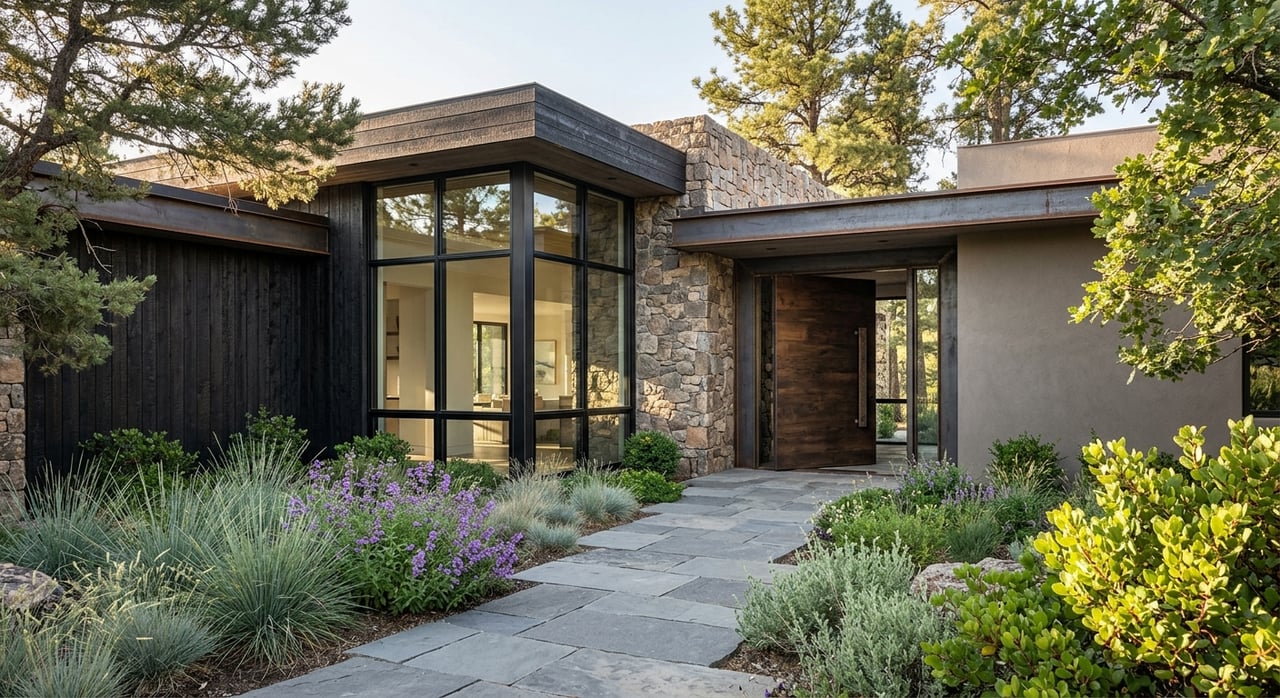
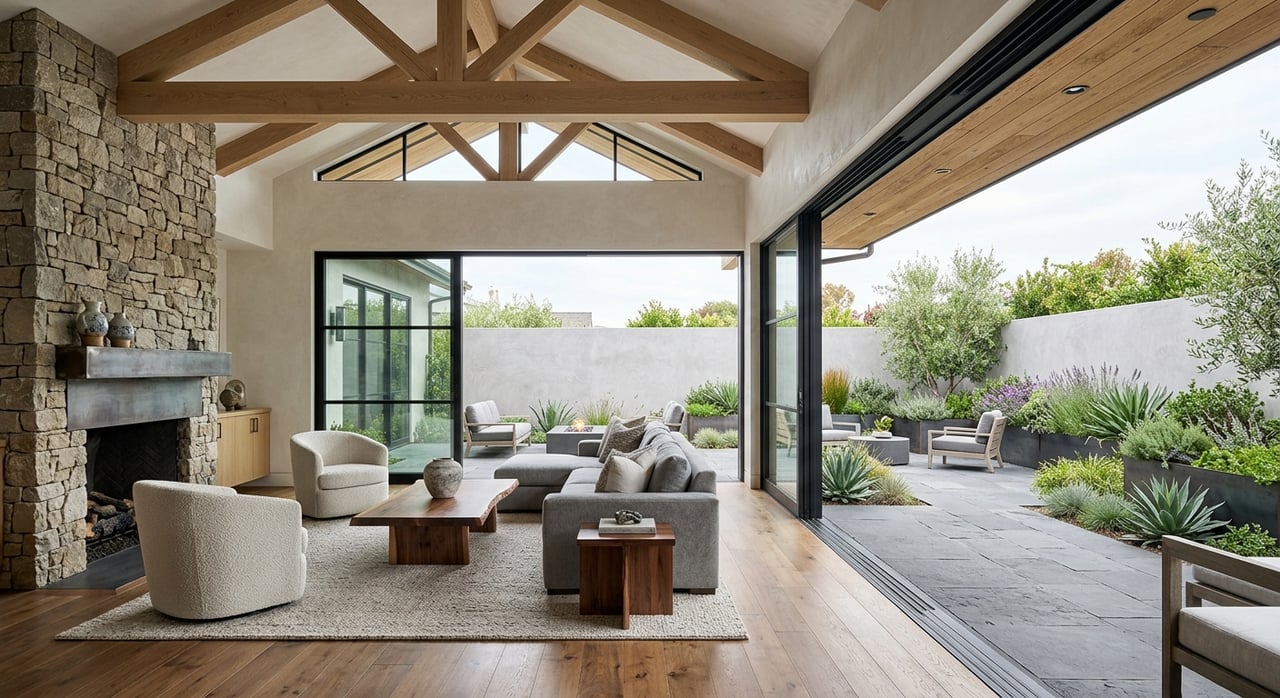
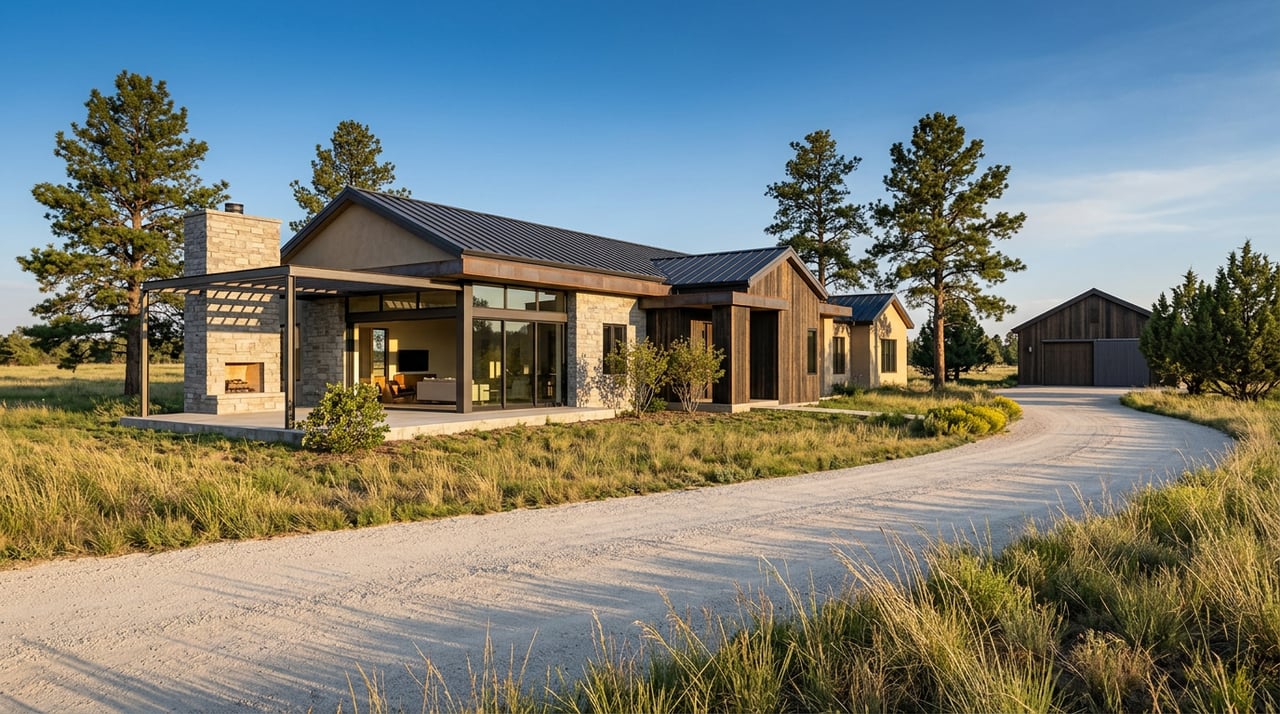
Hogan Ranch illustrates how privacy and permanence can pair with design freedom inside a defined envelope. The marketing presents one primary residence, specific accessory caps, and a 30‑foot height limit to protect sightlines. Concept renderings point to modern, high‑performance estates that live both indoors and out. Your next step is to read the recorded documents so you know exactly what is allowed on the specific lot you choose. Start with the current overview on Hogan Ranch and then confirm every key item in the plat and CC&Rs.
If you want an estate that your family can enjoy for generations, with clarity on what you can build and how to protect it, let’s talk about how to map your vision into approvals and timelines. Connect with Josh Jackson to start your plan.
FAQs
What is a buildable envelope on Golden–Boulder acreage?
- It is a recorded area on the plat or in covenants where you must place the home and any allowed accessory structures to protect views, habitat, and drainage; confirm size and location in the title and county records.
How do ADUs work on large parcels in Jefferson County?
- ADUs are regulated for size and siting; detached units often have extra rules, and well and septic permits must support multiple dwellings, so review county guidance and the property’s CC&Rs together.
What well and septic steps should I expect before building near Golden?
- Verify the well permit and its allowed uses, order soils and perc testing, and work with a septic designer under Jefferson County OWTS rules to align bedroom counts and system sizing.
How do height limits affect modern estate design here?
- Many foothills parcels are capped around 30–35 feet, and some plats set lower limits, so confirm both county code and recorded covenants before committing to vaulted spaces or tall accessory buildings.
What should I know about wildfire risk by Highway 93?
- Plan for defensible‑space zones, ignition‑resistant materials, and ongoing vegetation management; coordinate early with a CSFS‑informed forester and expect these items to be part of permits.
How do conservation easements or open‑space neighbors affect my estate?
- They often preserve views and privacy long term and may guide lighting, fencing, and land‑care choices; read the easement deed and confirm any stewardship expectations before final design.