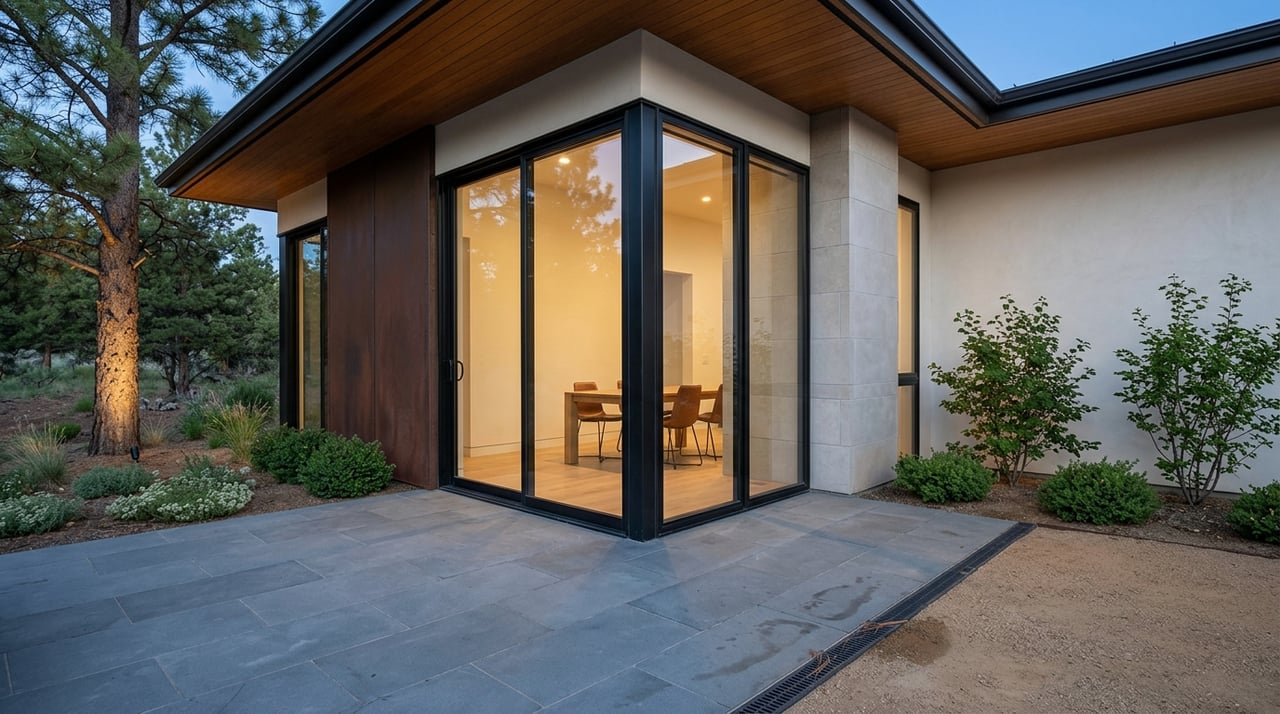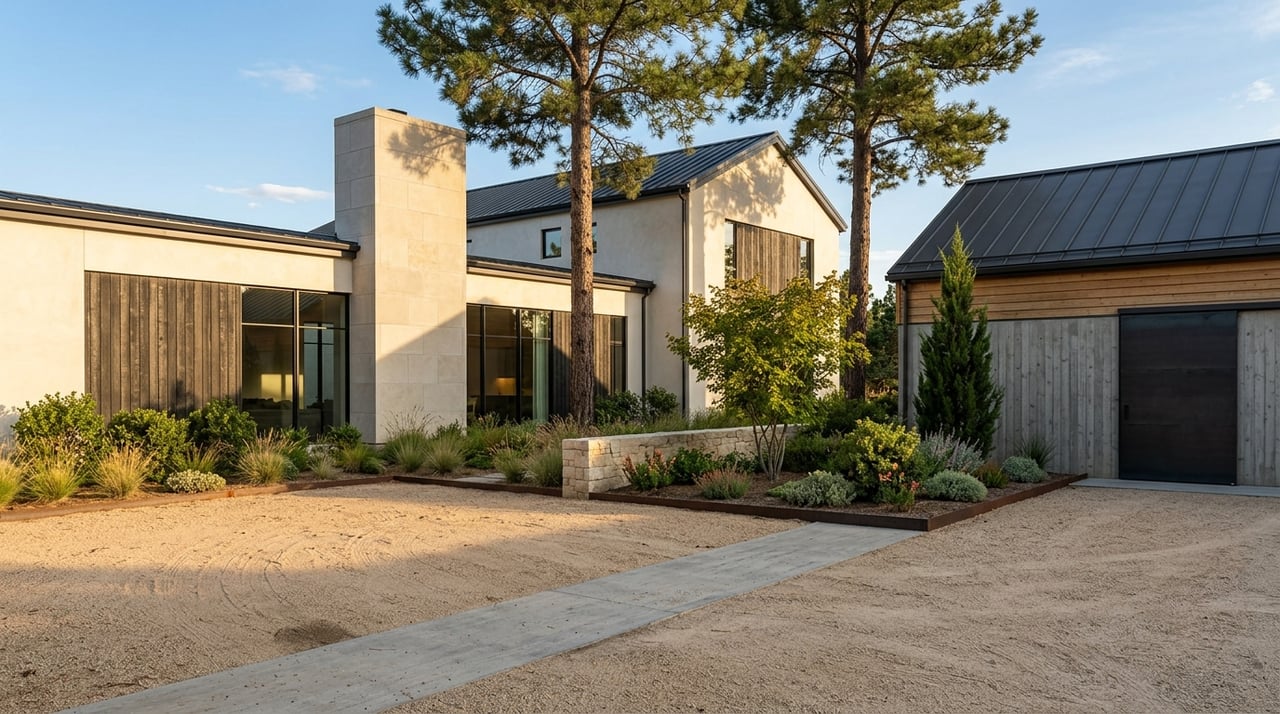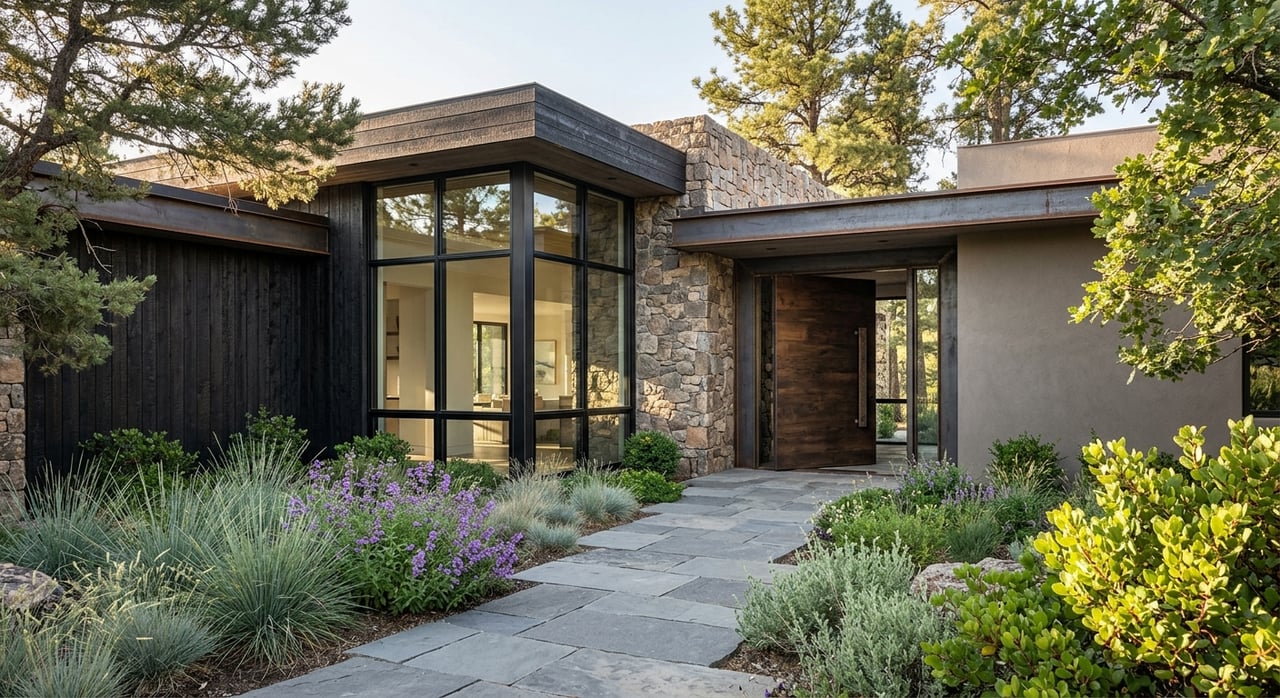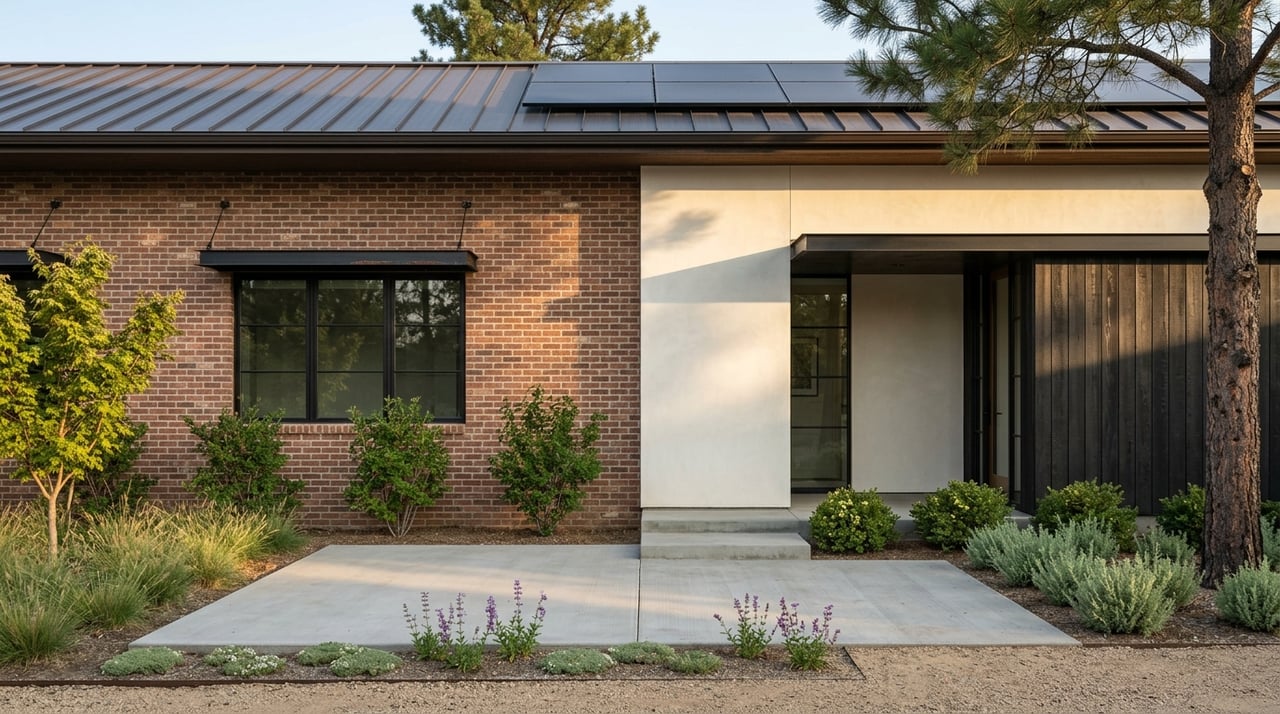
What if the biggest decision in your Boulder dream-home journey is not where you want to live, but how you want to create the home itself? In Boulder, choosing between a custom build and a remodel is rarely a simple style preference. The city’s site constraints, solar rules, energy code, and approval process can shape your path as much as your wish list. If you are weighing both options, this guide will help you understand what matters most so you can move forward with more clarity. Let’s dive in.
Why This Choice Feels Different in Boulder
Boulder is a constrained housing market with high demand, limited space for new homes, and many older homes that need updates. That makes both custom building and remodeling attractive, but it also means neither path is purely about design. Local zoning, site conditions, and energy standards play a major role in what is realistic.
The city’s zoning framework also puts real emphasis on form and intensity. In practical terms, that means setbacks, building coverage, height, and other design characteristics can directly affect what you can build. Boulder says these standards help preserve open space, views, sky access, and privacy, which is a meaningful factor when you are planning a long-term home.
When a Custom Build Makes Sense
A custom build usually appeals to you if you want maximum control from day one. You can shape the orientation, layout, building envelope, and performance strategy around your goals instead of adapting to an older structure. In Boulder, that control can be especially valuable because solar access, site slope, and energy requirements all influence the final result.
If you are design-forward or focused on long-term performance, a new build gives you the cleanest starting point. You can think through massing, window placement, rooflines, and the relationship between indoor and outdoor living before construction begins. That kind of freedom is one reason custom homes remain so compelling in the Boulder area.
For buyers considering a large private homesite near Boulder, this path can be even more attractive. A well-chosen site gives you the chance to respond to the land itself, from view corridors to solar orientation to the placement of accessory structures. In a landscape-first setting, the home and the site should work together from the start.
What New Construction Requires
In Boulder, a new home comes with a detailed preconstruction process. The city’s residential new-construction guide calls for a site survey, zoning data worksheet, energy documentation, construction-waste recycling paperwork, and affordable-housing compliance before permit review. Depending on the property, you may also need approvals tied to floodplain, wetlands, soils, steep slopes, or Wildland-Urban Interface conditions.
Solar access is another major factor. Boulder requires solar-analysis documentation with the building permit application for new construction, and the city notes that shadows in protected areas can create violations. Because many sites are not truly flat, survey and grade data matter early.
The city’s 2024 Energy Conservation Code also raises the bar. Effective Dec. 1, 2024, Boulder set minimum energy-performance standards for new and renovated buildings, with all-electric requirements for new construction, additions, and major alterations. If performance and future efficiency matter to you, this may feel like an opportunity, but it also adds design and documentation demands.
Tradeoffs of Building New
The main advantage of building new is freedom. You can align the house with the site, optimize performance from the ground up, and avoid some of the surprises that come with older structures. For buyers who want a legacy property with a clear architectural point of view, that is often worth the extra planning.
The tradeoff is time and complexity up front. Boulder’s process can involve more documentation and more site-specific approvals than many buyers expect. If your priorities include speed or a simpler path to occupancy, a custom build may feel more demanding than a remodel.
When a Remodel Makes Sense
A remodel often makes sense if you already love a particular location or want to stay within an existing part of Boulder. The city notes that many attainable homes are older and need updates, which helps explain why remodeling remains a common path. You may be able to improve function, comfort, and efficiency without starting from scratch.
For some buyers, a remodel also offers continuity. You keep the existing setting and street presence while upgrading the home to better fit how you live today. That can be especially appealing if the property already has a strong relationship to the lot.
Remodeling can also preserve parts of a home that still work well. If the structure, orientation, or layout has good bones, it may be more efficient to reimagine what is there rather than replace it entirely. In Boulder, though, this path can become more technical than it first appears.
What Remodels Can Trigger
Boulder requires existing-building projects to include a code analysis that identifies the code path, scope, and alteration level. That means a remodel is not just a design exercise. It is also a compliance exercise, especially as the scale of work increases.
The city’s energy code still applies to renovations, and larger remodels or additions can trigger ERI documentation similar to new construction. So while remodeling may seem like the easier option at first, the energy side can still be significant. The more extensive your plans, the more your project can start to resemble new construction in process and cost.
Historic review is another major consideration. If the house is more than 50 years old, or if it is in a historic district or individually landmarked, exterior changes may require a Landmark Alteration Certificate. Demolition-related work can also require historic review before a building permit is issued.
Deconstruction rules matter too. For full demolition and Level 4 alterations, Boulder requires a sustainable deconstruction plan that shows at least 75% of materials by weight will be diverted from landfill. The city also requires new dwelling units to document that 100% of clean wood, metal, and cardboard will be recycled, reused, or donated.
Tradeoffs of Remodeling
The biggest advantage of remodeling is location continuity. You may be able to stay in a setting you already value while reshaping the house around your needs. If the structure can be improved efficiently, this can be a smart and satisfying route.
The risk is hidden complexity. Older homes can trigger historic review, energy upgrades, and demolition requirements that change the timeline and budget. In Boulder, a remodel can shift from straightforward to highly regulated faster than many buyers expect.
The Factors That Usually Decide It
In Boulder, the better path often comes down to a few practical questions. The choice is less about whether new is better than old, and more about which route fits the site, the house, and your tolerance for approvals. Here are the issues that usually carry the most weight.
Site Orientation and Solar Access
Boulder treats solar access as a real design constraint, not a box to check. The city requires solar analysis for new construction and additions, and the rules can be influenced by height, slope, and massing. Rooflines and building form matter because they affect shadow impacts.
If your ideal home depends on careful siting, large glazing, or strong indoor-outdoor connections, a custom build may give you more control. If the existing house already sits well on the lot, a remodel may preserve that advantage. Either way, the land itself should be part of the decision.
Energy Performance Goals
If you care deeply about long-term efficiency, electrification, and high performance, Boulder’s current code environment is important. The city’s stated long-term goal is net-zero-energy, high-performance construction. That makes energy strategy a core part of both new builds and major remodels.
A custom build lets you integrate that strategy from the beginning. A remodel can still improve performance, but you may be working around existing conditions. Your decision may depend on whether you want to optimize or adapt.
Neighborhood and Property Constraints
Established parts of Boulder can add layers that go beyond architecture. Building coverage, setbacks, height, landscape and street-tree requirements, floodplain or wetland approvals, drainage review, steep-slope review, and WUI compliance may all enter the picture depending on the site. These factors can affect both new construction and major remodels.
If you are evaluating a property, this is where early clarity matters. A site that looks simple on the surface may carry meaningful constraints. A disciplined review of the parcel or existing house can save time and frustration later.
Your Timeline and Approval Tolerance
Some buyers are comfortable with a longer runway if it leads to a more tailored result. Others want a faster, more predictable process. In Boulder, a custom build often means more upfront documentation, while a remodel can mean uncovering regulatory layers midstream.
That is why the right answer is personal as much as technical. If you value complete authorship and can accept a longer preconstruction phase, building may be the better fit. If you value location continuity and the existing home has strong fundamentals, remodeling may be the smarter path.
A Simple Way to Frame the Decision
If you want the most control over design, orientation, and performance, a custom build often wins. It gives you a fresh canvas and a clearer chance to align the home with the land. In Boulder, that can be especially powerful when the site itself is part of the value.
If you want to stay rooted in an existing setting and the home can be improved efficiently, a remodel may be the better route. It can preserve what already works while updating what no longer does. The key is understanding when a remodel remains a remodel, and when it starts to function more like a new build in disguise.
For many luxury buyers near Boulder, the decision comes back to landscape, constraints, and legacy. The best outcome usually starts with a realistic look at the property, a clear design brief, and a grounded understanding of Boulder’s approval environment. When you get those pieces right, the path forward becomes much easier to see.
Whether you are evaluating an existing home or imagining a fully custom residence on a private homesite, thoughtful guidance matters. If you want a clear, design-aware conversation about what fits your goals near Boulder, connect with Josh Jackson.
FAQs
What makes custom building in Boulder more complex than in other markets?
- Boulder’s process can require a site survey, zoning data worksheet, energy documentation, solar analysis, construction-waste recycling paperwork, affordable-housing compliance, and in some cases added approvals for floodplain, wetlands, steep slopes, soils, or WUI conditions.
What should you know about remodeling an older home in Boulder?
- If the home is more than 50 years old, or if it is in a historic district or individually landmarked, exterior changes may require a Landmark Alteration Certificate, and demolition-related work may require historic review before a permit is issued.
How does Boulder solar access affect a new home or addition?
- Boulder requires solar analysis for new construction and additions, and the building’s height, slope, roofline, and massing can affect compliance because shadows in protected areas can create violations.
What energy rules apply to new builds and remodels in Boulder?
- Boulder’s 2024 Energy Conservation Code took effect on Dec. 1, 2024, and sets minimum energy-performance standards for new and renovated buildings, including all-electric requirements for new construction, additions, and major alterations.
When does a Boulder remodel start to feel like a new build?
- Larger remodels or additions can trigger more extensive code analysis, ERI documentation, energy compliance, and deconstruction requirements, which can make the process much closer to new construction in complexity.
What is often the deciding factor between building and remodeling in Boulder?
- The decision usually comes down to the site, the existing structure, and your comfort with approvals, design coordination, and energy-performance requirements rather than a simple preference for new versus old.