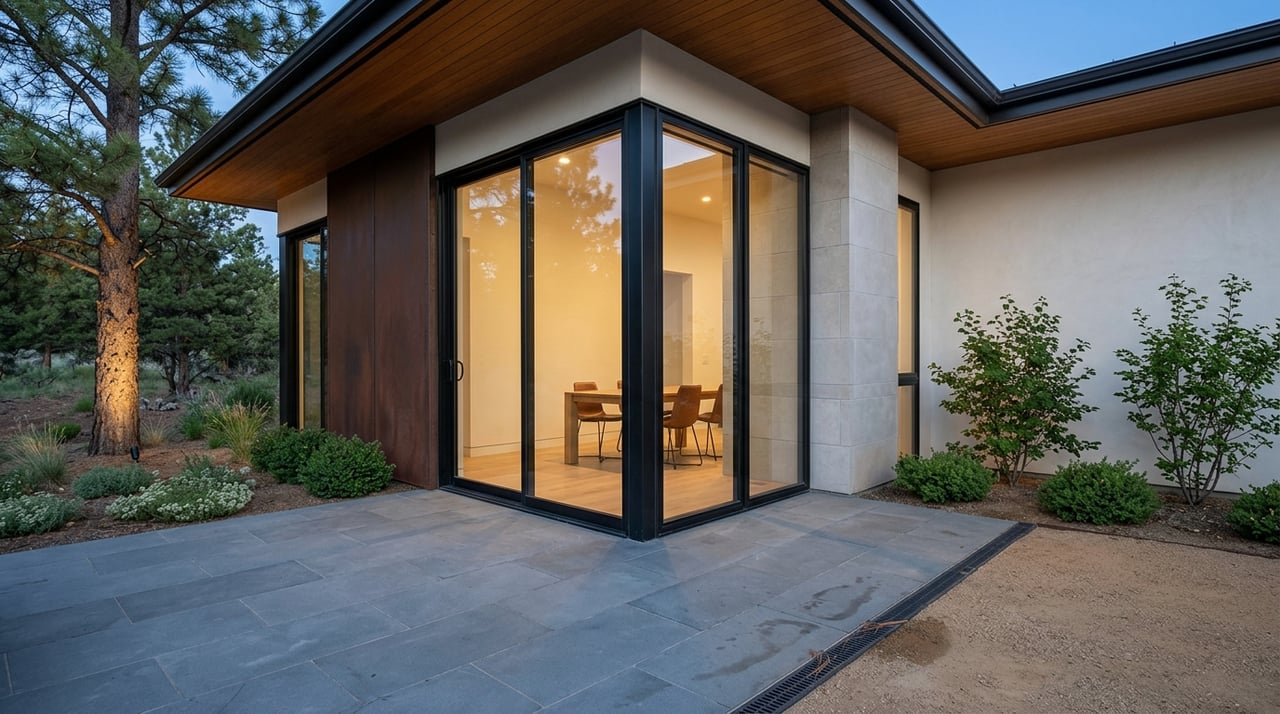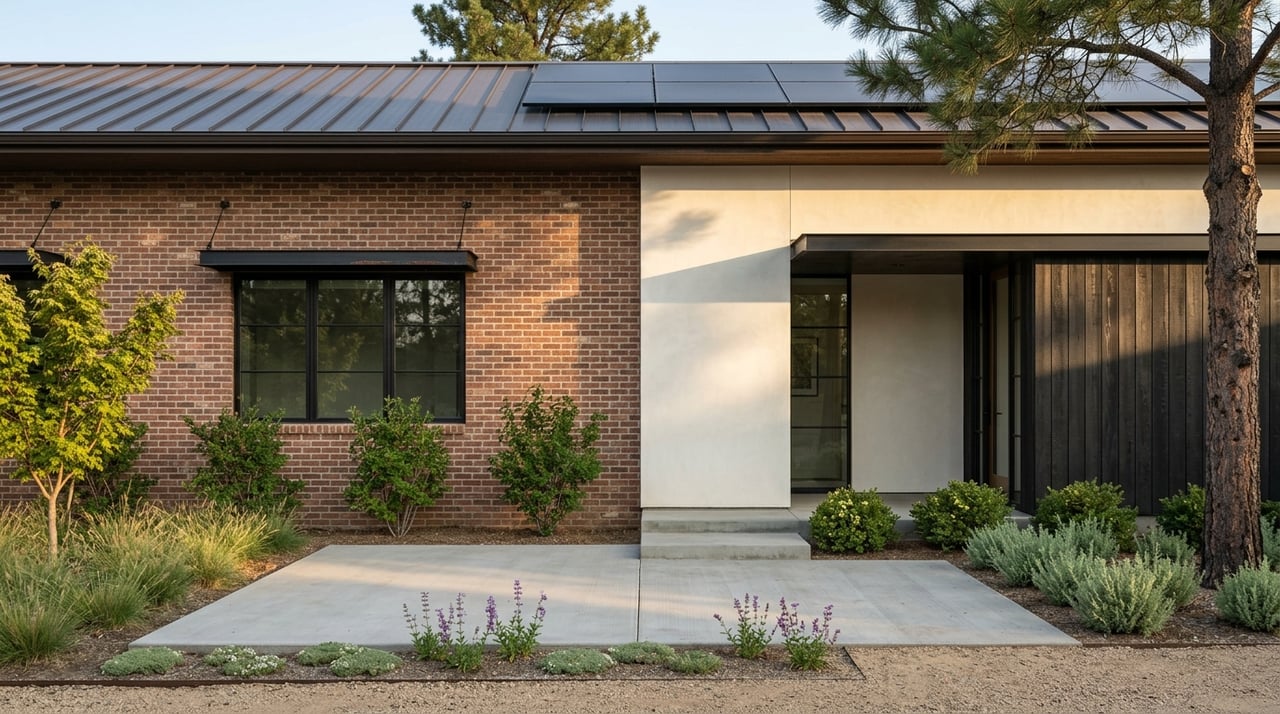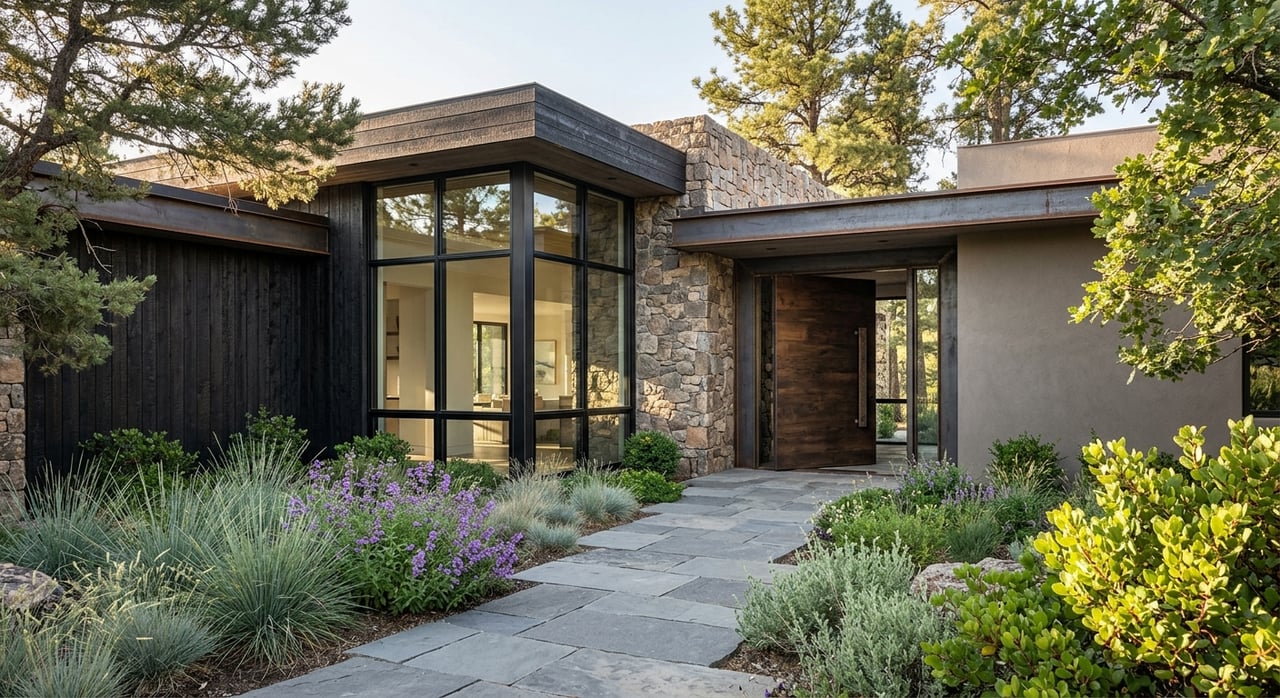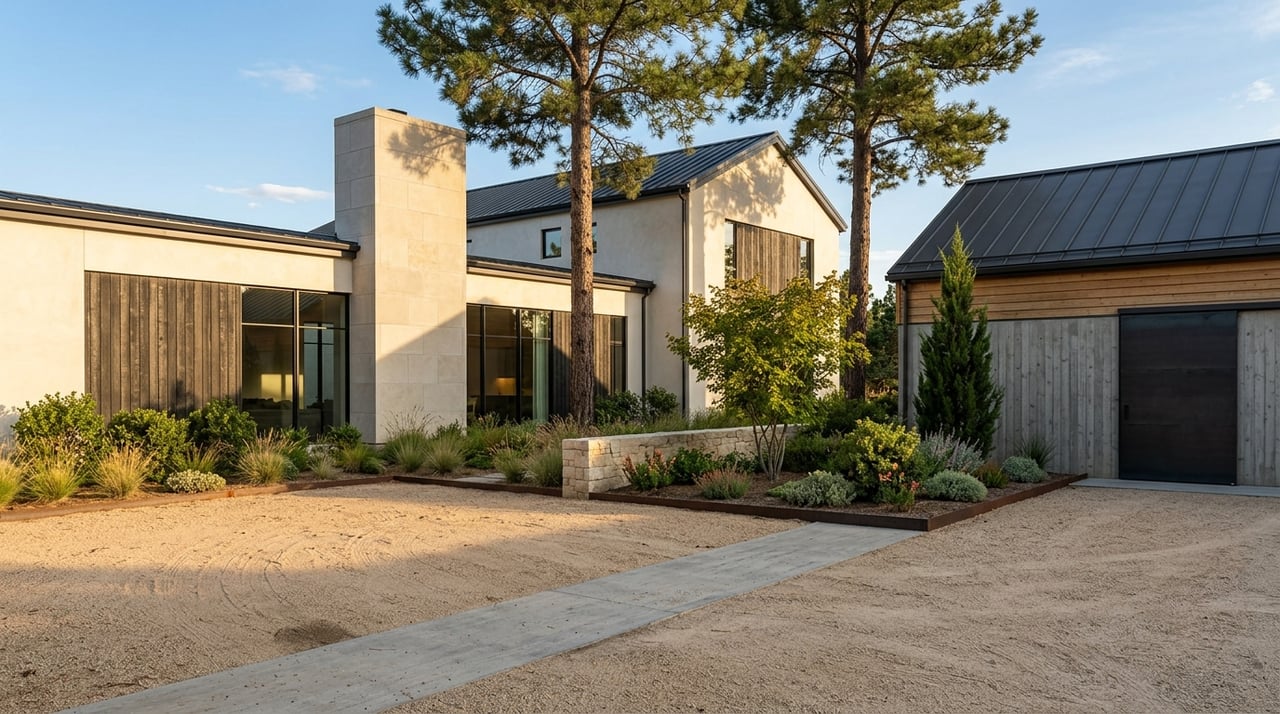
A private compound on acreage sounds simple until you start mapping what privacy, views, access, and approvals actually require. If you are considering land in Niwot, you are not just designing a beautiful home. You are shaping a full site plan within Boulder County rules that can affect everything from where the driveway starts to whether a detached guest space is even possible. This guide will help you think through the big design decisions first, so you can move forward with more clarity. Let’s dive in.
Start With County Reality
In Niwot, development is generally governed by Boulder County because the area sits in unincorporated Boulder County rather than under a separate municipal code. Boulder County also identifies the Niwot Rural Community District as a place where semi-rural character and compatibility matter, which makes site planning especially important.
That means a private compound is never just about the architecture. Before you settle on a house concept, you need to understand the parcel’s zoning, any overlay district, prior approvals, easements, and whether the property falls within a rural community district. Boulder County can issue a zoning compliance verification letter, and that is often one of the smartest early steps.
Plan the Compound as One System
The most successful acreage compounds are designed as a single coordinated plan, not as a main house with extra pieces added later. In Boulder County, setbacks, height rules, floor-area calculations, access requirements, and review triggers can all overlap. If you treat each building as a separate idea, you can create avoidable conflicts.
A better approach is to organize the property around a shared buildable area from the start. That includes the main residence, garage, studio, workshop, outdoor living areas, service functions, parking, driveway geometry, and long-term maintenance needs. When those pieces are tested together early, you are more likely to protect views, preserve privacy, and avoid redesigns.
Why the Buildable Envelope Matters
On many acreage parcels, the practical question is not just how much land you own. It is how much of that land is realistically buildable under county rules and site conditions. The usable area may be shaped by setbacks, irrigation ditch buffers, access alignment, grading constraints, easements, or prior land-use approvals.
For many Rural Residential parcels in Boulder County, typical setbacks are 25 feet in the front, 7 feet on the sides, and 15 feet in the rear. If there is an irrigation ditch, the setback is generally 50 feet from the centerline unless the county agrees to a reduction, and even then it cannot go below 20 feet. Those dimensions can quickly change the layout of a compound.
Height and Massing Need Early Attention
Privacy and views often push buyers toward larger homes with dramatic rooflines and detached structures. But in much of Boulder County’s Rural Residential district, maximum building height is generally 30 feet, with some older plats or approvals allowing 35 feet.
That makes massing an early design issue, not a final styling choice. A home can feel expansive through site placement, courtyard planning, and indoor-outdoor design without relying only on height. If your goal is a legacy estate feel, thoughtful composition often matters more than sheer vertical scale.
Know What Counts Toward Size
One of the biggest surprises for acreage buyers is that the compound is often larger on paper than expected. In Boulder County, residential floor area can include not only the main house, but also garages, studios, pool houses, home offices, and workshops if they are used or customarily used for residential purposes.
That matters because a lifestyle-driven estate often includes exactly those spaces. You may picture a main residence plus a detached garage, a fitness studio, a creative workspace, or a hobby building. The county may look at the whole program together, not just the square footage of the main home.
Large Programs Can Trigger More Review
On very large parcels, design freedom can still run into formal review thresholds. In Boulder County’s Rural Residential rules, Special Review may be triggered if total floor area exceeds 25,000 square feet or if wastewater flow reaches 2,000 gallons per day.
You do not need to be planning a massive estate to run into complexity. A multi-structure compound with generous gathering spaces, guest accommodations, and wellness or hobby uses can add up faster than many buyers expect. Early programming is key.
Detached Guest Space Is Not a Safe Assumption
Many buyers imagine a separate guest house, in-law cottage, or detached retreat as part of a private compound. In unincorporated Boulder County, that is not something you should assume is allowed by right. Current county code limits accessory dwellings to specific categories such as family care units, agricultural worker units, historic units, and disaster recovery units.
Those categories come with limits. Family care units can be detached if they are closely clustered with the principal dwelling and are capped at 700 square feet. Agricultural units can be detached in the Agricultural district and Rural Residential district on unsubdivided land and are capped at 1,800 square feet.
Smarter Ways to Create Multi-Generational Living
If your goal is flexible space for family or long-term guests, attached design may be more realistic than a freestanding cottage. In many cases, an attached suite, lower-level apartment layout, or family-care configuration may align better with current county rules than a separate guest house.
That does not mean giving up privacy or comfort. It means designing for independence within a code-aware layout. Separate entrances, private outdoor areas, and thoughtful wing placement can still create a strong compound feel.
Access Comes Before Architecture
A beautiful homesite is only as functional as its approach. Boulder County requires access permits for private access to county roads, including driveways, bridges, and culverts. If a parcel does not front a county road, you may also need recorded access easements or other proof of legal access before building can move forward.
That makes the approach road one of the first design decisions, not one of the last. Where the drive enters, how it turns, how it serves garages or motor courts, and how it relates to gates or service access all shape the experience of the property.
Privacy Starts at the Arrival Sequence
For a compound, privacy is not only about distance from neighbors. It is also about how the property reveals itself. A well-planned arrival sequence can screen the home from the road, separate guest and service movement, and create a calm transition from entry to residence.
In Niwot, that sequence still has to work within county permitting and sight-line realities. The most elegant solution is usually one that feels simple because it was planned carefully from the start.
Water, Septic, and Daily Function
On acreage, utility planning often drives what is practical. In Colorado, every new well that diverts groundwater must have a well permit through the Division of Water Resources. For wastewater, Boulder County Public Health regulates onsite wastewater treatment systems locally, and its rules can be more stringent than the state baseline.
This becomes especially important if your compound plan includes additional bedrooms or separate living areas. Boulder County has a specific onsite wastewater policy for accessory dwelling units that sizes systems by bedroom count. So even when the building footprint seems manageable, the septic design may need to grow with the program.
Bedroom Count Can Change the Plan
If you are designing for multi-generational living, visiting family, or long-term flexibility, bedroom count matters as much as square footage. A layout with more sleeping areas may have implications for wastewater capacity even if the house does not look especially large from the outside.
This is why site planning, architecture, and infrastructure should move together. It is much easier to refine the floor plan early than to retrofit a design after utility limits are identified.
Site Plan Review Often Shapes the Timeline
In unincorporated Boulder County, Site Plan Review is a major checkpoint. The county says it is required for development on vacant parcels, cumulative floor-area increases over 1,000 square feet, development in a Rural Community District, development on conservation easements unless waived, and certain grading, access, and floodplain permits.
Some projects under 2,000 square feet may qualify for Expedited Site Plan Review if they stay within the zoning district’s maximum residential floor area. But for most private-compound concepts on acreage, you should expect review to be a meaningful part of the process.
That reality should not discourage you. It should shape your planning. A clear process, realistic sequencing, and parcel-specific diligence can save a great deal of time later.
Privacy Design Goes Beyond Walls and Trees
A private compound should feel calm, quiet, and visually protected. In Boulder County, that kind of privacy is achieved as much through code-compliant design as through landscape strategy.
Outdoor lighting, for example, must be fully shielded and downlit, cannot flash or flutter, and generally cannot exceed 12 feet in height. The county also requires approval of new exterior lighting fixtures before a building permit is issued, and rules in the Niwot Rural Community District or under specific approvals may be more restrictive.
Fencing Has Limits Too
Fencing can help define privacy, but it is not unlimited. In Boulder County, fences 6 feet high and under generally do not need a building permit, while fences over 6 feet do. Fences in the floodplain require a permit regardless of height, and fences cannot sit in the road right-of-way or block required sight triangles.
Subdivision covenants or prior approvals may also be more restrictive than county rules. If wildlife-safe fencing is required through past approvals, that can also affect your choices. For acreage buyers, privacy is best handled through a blend of siting, landform, planting, lighting, and compliant fencing.
Storage Needs a Plan
A true compound usually includes everyday support items such as maintenance equipment, tools, recreational gear, and firewood. Boulder County allows accessory outside storage by right, but the storage area cannot exceed 5 percent of the lot area, it must be screened from adjacent roadways and properties, and bins or containers used for storage require permanent structures.
That means support spaces should be designed, not improvised. A clean service yard or well-screened utility zone will protect both function and appearance.
Sustainability Can Be Part of the Vision
If performance matters to you, Boulder County does offer a useful opening. The county may allow reasonable additional residential floor area for retrofits or design choices intended to improve energy efficiency or use low-carbon materials.
Ground-mounted accessory solar systems are also allowed by right in all districts, though they still must meet setback and height limits. For design-forward buyers, that creates room to think about long-term efficiency alongside architecture, not as an afterthought.
What to Verify Before You Design
Before you invest heavily in plans, confirm the basics on the specific parcel. Boulder County points buyers toward building-lot determination, legal access verification, water supply confirmation, septic approval, and zoning review before building on vacant land.
A smart first-pass checklist includes:
- Current zoning and any overlay or rural community district status
- Prior approvals, easements, and conservation restrictions
- Setbacks, ditch buffers, and height limits
- Legal access and driveway permit requirements
- Well permit path and water supply status
- Onsite wastewater feasibility and bedroom capacity
- Whether Site Plan Review applies
- How total floor area will be counted across all structures
Designing a private compound in Niwot can be deeply rewarding when the land, architecture, and approvals are aligned from the beginning. The best outcomes usually come from respecting the parcel first, then building a design around what the site can gracefully support. If you want a clear-eyed, design-aware conversation about acreage opportunities and build planning, connect with Josh Jackson.
FAQs
What should you verify first on acreage in Niwot before designing a compound?
- Start with zoning, legal access, water supply, septic feasibility, and whether Site Plan Review applies to the parcel.
Can you build a separate guest house on acreage in Niwot?
- Not as a simple by-right assumption. In unincorporated Boulder County, accessory dwellings are limited to specific categories, and detached options are restricted.
Do garages and workshops count toward residential floor area in Boulder County?
- Usually yes, if those spaces are used or customarily used for residential purposes, which can include garages, studios, pool houses, home offices, and workshops.
How do Boulder County lighting rules affect privacy design in Niwot?
- Outdoor lighting must be fully shielded and downlit, cannot flash or flutter, generally cannot exceed 12 feet in height, and must be approved before a building permit is issued.
Why is driveway planning so important for a private compound in Niwot?
- Boulder County requires permits for private access to county roads, and some parcels may also need recorded access easements or other proof of legal access before building.
Can a multi-generational layout affect septic design on acreage in Niwot?
- Yes. Boulder County sizes onsite wastewater systems by bedroom count in relevant cases, so added sleeping areas or accessory living configurations can change infrastructure needs.