If you hear “luxury” and picture only Boulder price tags, Longmont may surprise you. In this part of Boulder County, luxury is often less about a single number and more about what the property offers: more land, stronger views, open-space access, and room to build or live with intention. If you are buying or selling at the upper end of the market, understanding that difference can help you make smarter decisions. Let’s dive in.
What luxury means in Longmont
In Longmont, luxury is best understood as the top slice of the local market, not a fixed price point. Redfin defines luxury homes as the top 5% of a metro area’s price range, and Longmont’s median sale price was $537,223 over the three months ending April 2026.
That matters because Longmont’s luxury tier does not mirror Boulder’s. Instead of one clear cutoff, the upper end in Longmont tends to show up in homes with standout settings, larger lots, custom design, or a location tied to open space and mountain views.
Longmont’s overall market was somewhat competitive during this period. Homes received about two offers on average and sold in about 51 days, which suggests that well-positioned upper-end listings still need the right pricing and presentation to stand out.
Where Longmont luxury shows up
Longmont’s planning documents describe a mix of established and planned neighborhoods across the city. Established areas include McIntosh, Longmont Estates, Garden Acres, Loomiller, Sunset, Southmoor, Lanyon, Clark Centennial, and Kensington, while planned neighborhoods include East Side, Lower Clover Basin, West St. Vrain, Airport, Upper Clover Basin, Pike, Quail, Longmont Tech Center, Terry Lake, McLane, and Westview.
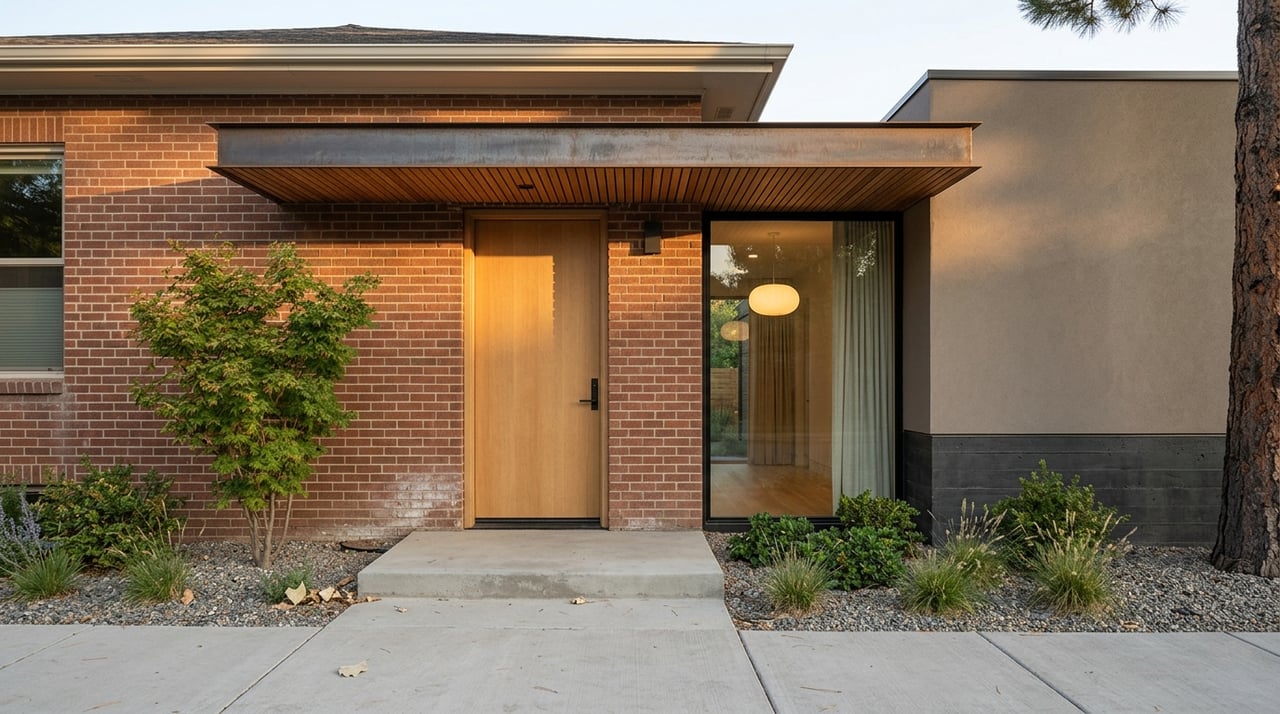
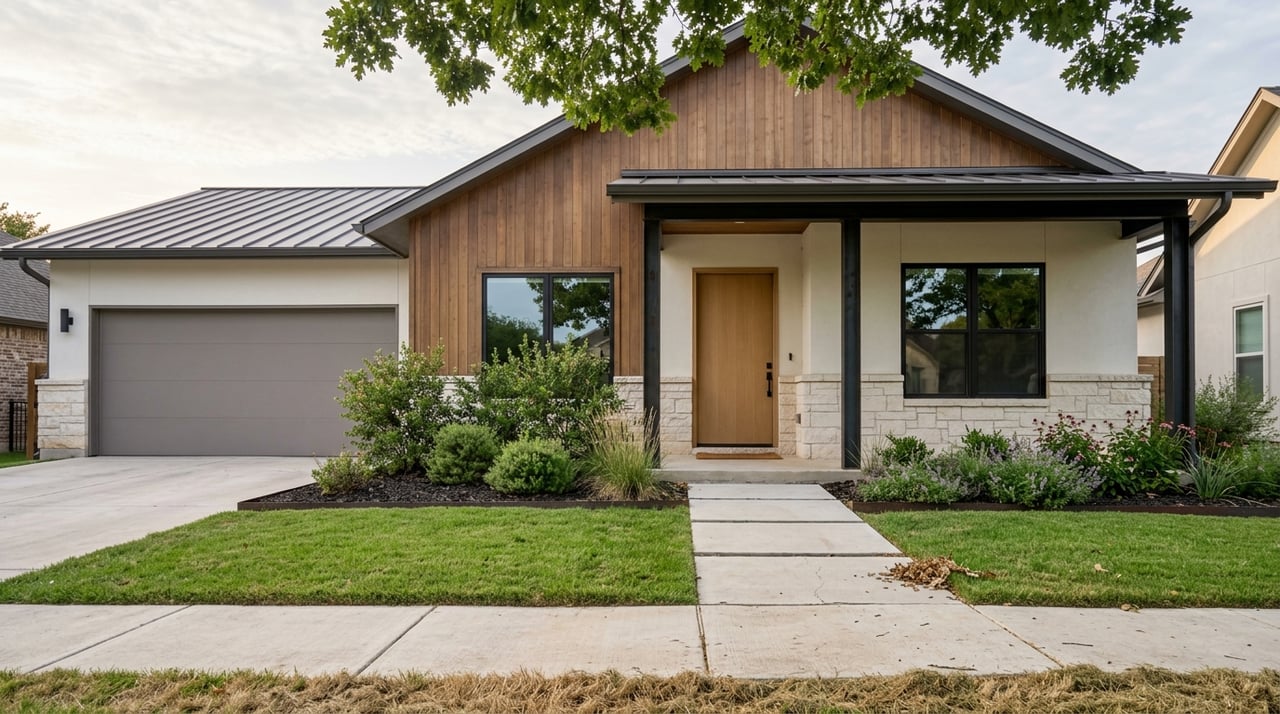
Within that mix, the upper end appears in different forms. Some buyers are drawn to design-forward in-town options, while others focus on established residential pockets with larger lots and a more classic feel.
Prospect New Town is one example of the design-driven side of Longmont’s market. Its median sale price reached $925,000 in March 2026, which points to strong demand for homes that stand out through architecture, neighborhood design, and in-town convenience.
Longmont Estates offers a different upper-end profile. Recent sales there included homes at $620,000, $782,000, and $857,500, showing how established neighborhoods can still command strong pricing when the home, lot, or setting aligns with what buyers value.
Sunset also reflects this pattern, with a median sale price of $665,000. Taken together, these examples suggest that Longmont luxury is not concentrated in just one pocket or one property type.
Why land and views carry weight
In Longmont, land is often the real luxury signal. The city’s open-space program is designed to preserve natural lands, support conservation, and improve quality of life, and parks and open-space lands occupy about 30% of the planning area, or roughly 6,790 acres.
That large open-space footprint shapes how people experience the market. It also helps explain why homes with privacy, setbacks, visual access to the Front Range, or adjacency to protected land can feel especially scarce.
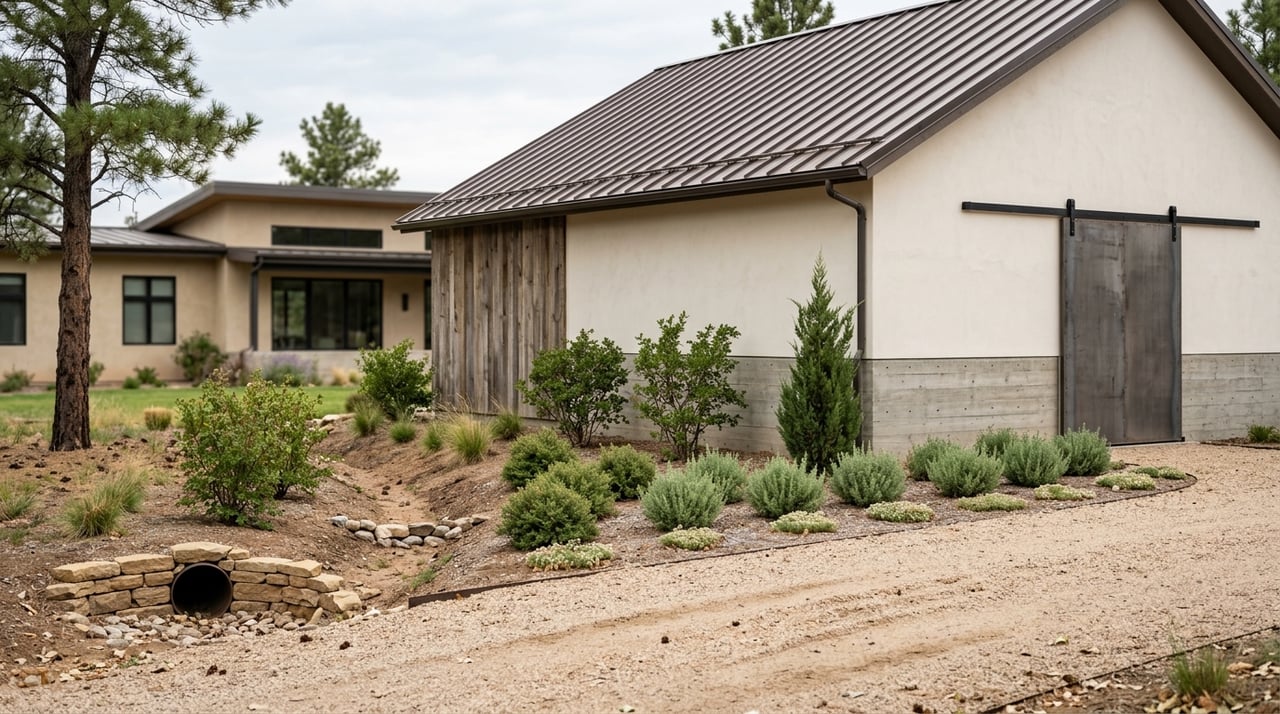
Longmont’s planning framework still allows for large-lot living in select areas. Rural Neighborhood areas are defined as single-family detached homes on large lots with up to one dwelling unit per acre, and Very Low Density Residential areas also cap density at one unit per acre.
In practical terms, that means there is still policy room for larger homesites, but the supply is intentionally limited. When buyers find a property that combines elbow room, views, and long-term setting value, it can sit in a very different category than a standard move-up home.
The city’s open-space master plan also emphasizes preserving cultural landscapes, maintaining viewsheds, and supporting wildlife corridors. Its visual-access analysis found that virtually the entire study area had views to one or more prominent Front Range peaks, which helps explain the premium attached to acreage, mountain views, and open-sky surroundings.
The acreage side of the market
If you look just north of the city, the luxury conversation becomes even more landscape-driven. A current Terry Lake area listing in unincorporated Boulder County shows a 5-acre hobby-farm opportunity at $1.397 million, with views of Longs Peak and the Flatirons and surroundings tied to Boulder County Open Space.
That is a listing example, not a market average, but it illustrates an important point. In and around Longmont, the upper end often rewards setting over status.
For many buyers, that means a property’s value may come from its usable land, its relationship to open space, or its long-view potential for a custom home. That perspective aligns closely with how luxury land buyers think across Boulder County, especially when privacy and permanence matter as much as square footage.
Longmont versus Boulder and Niwot
If you are comparing Longmont with nearby luxury markets, the numbers help tell the story. Longmont’s median sale price was $537,223 at $284 per square foot, compared with Boulder at $829,572 and $550 per square foot, and Niwot at $1,199,381 and $481 per square foot.
That gives Longmont a meaningfully lower median entry point than either Boulder or Niwot. For buyers who want Boulder County access without Boulder’s price floor, Longmont can offer a different kind of opportunity.
Boulder has a deeper and more expensive luxury market. In March 2026, Newlands posted a median sale price of $2.697 million, while Rural North Boulder was at $1.8 million over the three months ending April 2026.
Niwot sits in a different position again. Boulder County describes it as a semi-rural and historically quaint community, and its strategic plan places Niwot about 9 miles from Boulder and 7 miles from Longmont.
For upscale buyers, Niwot can appeal as a semi-rural, larger-lot option closer to the traditional luxury image many people expect in Boulder County. But because it is a much smaller market, its median can move more sharply when a few high-end properties sell.
The pace of each market also varies slightly. Over the same spring 2026 window, Longmont homes sold in about 51 days on average, Boulder in about 48 days, and Niwot in about 57 days.
What buyers should watch in Longmont
If you are shopping in Longmont’s upper end, start by looking beyond price alone. A home’s lot size, privacy, view corridor, and relationship to open space may tell you more about its long-term value than the square footage on paper.
You should also pay attention to whether the property sits in an established neighborhood or a planned area. In Longmont, those two paths can offer very different lifestyle experiences, design styles, and resale appeal.
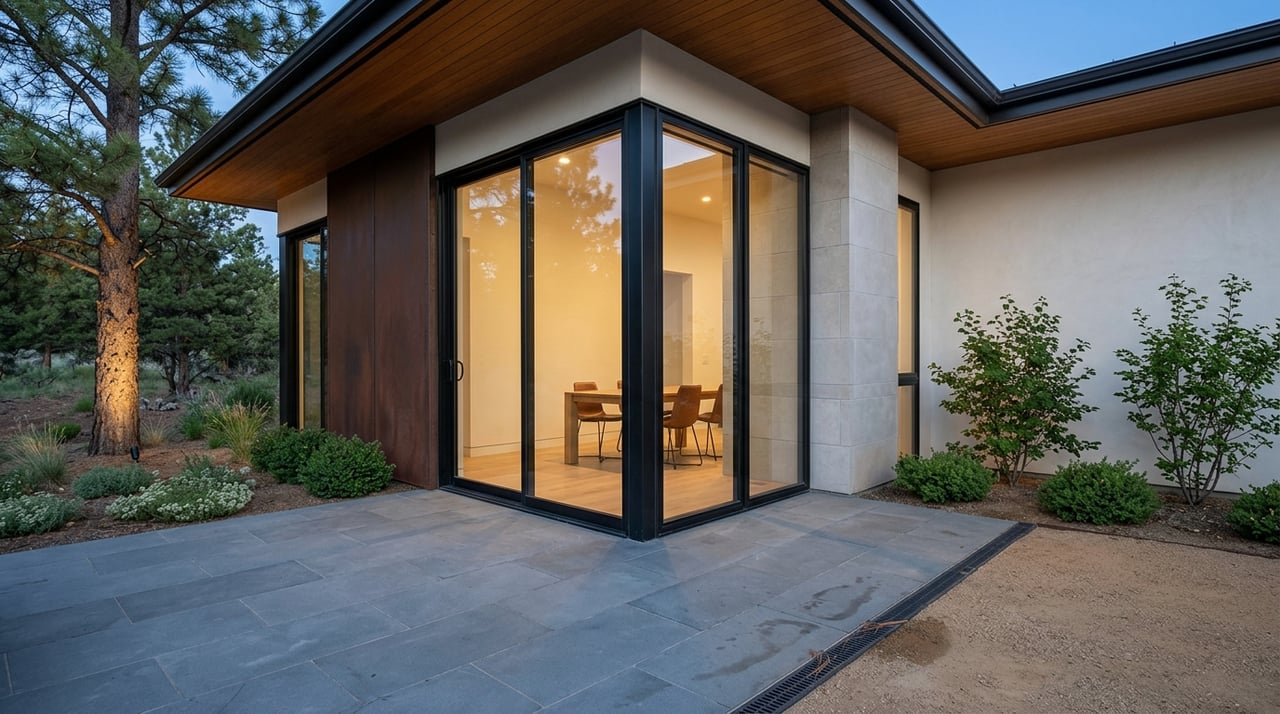
For buyers who are design-minded, Longmont can be especially interesting because the market includes both in-town, architecture-forward choices and larger-lot settings that compete on land and outlook. If your goal is a custom-feeling property without Boulder-level pricing, that spread is worth a close look.
What sellers should highlight
For sellers, the strongest luxury signals in Longmont often come from the site itself. Lot size, views, open-space adjacency, and custom-build potential may matter more than simply saying a home is large.
That means your marketing should focus on what makes the property hard to replace. If your home offers a rare setting, a bigger homesite, visual separation from neighbors, or a strong mountain backdrop, those details should lead the story.
Presentation matters too. In a market where luxury is defined by nuance, buyers need a clear reason to place your property in the upper tier.
That is where thoughtful positioning becomes essential. A well-advised listing strategy can connect the property to what high-end buyers are actually looking for in Longmont: space, setting, and a sense of permanence.
Why Longmont stands out
Longmont stands out because it offers a version of luxury that feels grounded in land, landscape, and flexibility. It is not trying to be Boulder, and that is exactly the point.
For some buyers, that means better value within Boulder County. For others, it means access to neighborhoods and homesites where open space, views, and larger-lot living still shape the experience of home.
From a luxury land and custom-home perspective, that is a meaningful distinction. In a region where protected land and visual access to the Front Range drive lasting appeal, Longmont’s upper end deserves a closer look than it often gets.
If you are exploring luxury property in Longmont or weighing how your home fits into this market, Josh Jackson can help you evaluate the details that truly drive value, from land and views to long-term positioning.
FAQs
What counts as a luxury home in Longmont?
- In Longmont, luxury is best viewed as the top 5% of the market rather than a fixed price point, with standout value often tied to land, views, setting, and custom appeal.
Which Longmont neighborhoods show higher-end home prices?
- Current market snapshots point to Prospect New Town, Longmont Estates, and Sunset as examples of areas where upper-end pricing appears in different forms.
Why do views and open space matter in the Longmont luxury market?
- Longmont has a large open-space footprint, and city planning documents emphasize preserving viewsheds and natural land, which helps support premiums for properties with mountain views, privacy, and open-space adjacency.
How does Longmont compare with Boulder for luxury buyers?
- Longmont has a much lower median sale price than Boulder, which can make it attractive if you want Boulder County access and higher-end features without Boulder’s higher price floor.
How does Niwot compare with Longmont for upscale buyers?
- Niwot tends to skew more semi-rural and larger-lot, with a higher median sale price than Longmont, but it is also a smaller market where pricing can shift more quickly.
What should Longmont luxury sellers emphasize when listing a home?
- Sellers should focus on lot size, views, open-space proximity, privacy, and custom-build or setting value, since those features often define luxury more clearly than square footage alone in Longmont.